Hey, fellow clean water advocates! You know, it really makes you stop and think about the invisible challenges our planet’s most vital resource faces every single day.
From the increasing unpredictability of climate change that shifts rainfall patterns and concentrates pollutants, to the silent threat of emerging contaminants like microplastics and “forever chemicals” (PFAS) in our taps, water quality management has never been more complex.
I’ve personally seen the incredible leaps innovators are making with smart tech and new regulations, transforming how we safeguard this precious resource.
It’s an urgent conversation, and I’m ready to share what I’ve learned about keeping our water safe and compliant. Let’s dive deeper and truly understand the future of water quality and wastewater regulations!
Unpacking the Ever-Evolving Landscape of Water Quality
Hey there, friends! You know, it’s wild to think about how much our understanding of “clean” water has changed, even in just the last decade. It’s not just about what you can see anymore, like murky rivers or floating debris. We’re talking about a whole new level of microscopic detective work, and frankly, it keeps me up at night sometimes! When I first started digging into environmental science, the focus was largely on conventional pollutants, stuff we knew how to test for and treat. But fast forward to today, and we’ve got a whole new cast of characters showing up in our water systems, driven by everything from new industrial processes to the very products we use in our homes. It’s a constant cat-and-mouse game, and staying ahead means continuously re-evaluating what we define as safe and how we enforce those standards. The dynamic nature of this challenge is why I find it so compelling – it truly affects every single one of us, every single day, right down to the glass of water we pour from the tap. It’s a responsibility we all share, from policymakers to individual households.
The Climate Conundrum: Shifting Hydrology and Pollutant Concentrations
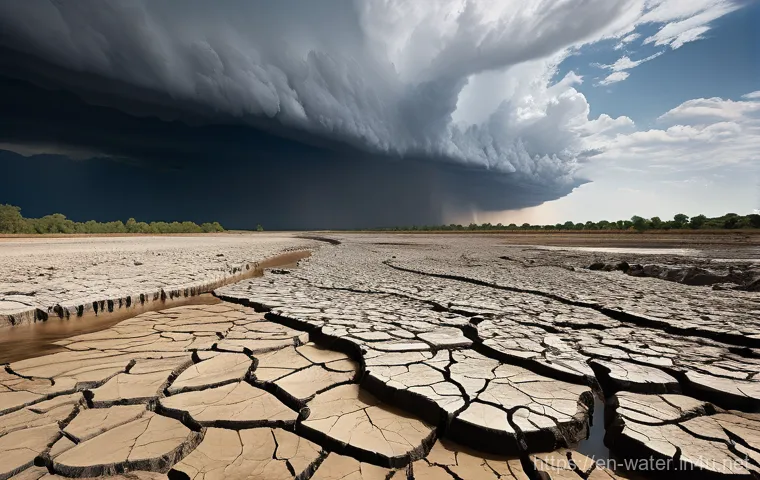
One of the biggest game-changers I’ve observed firsthand is the impact of climate change on water quality. It’s not some abstract future problem; it’s here, now, and it’s disrupting everything. I remember speaking with a water treatment plant manager in California during a severe drought, and she told me how their source water quality had plummeted. Less rainfall meant lower river flows, concentrating existing pollutants and making them much harder to treat. Then, when the rains finally did come, they were often torrential downpours, leading to massive runoff carrying sediments, fertilizers, and urban contaminants directly into water bodies. It’s a vicious cycle that demands innovative solutions, and honestly, a lot more strategic planning than we’ve historically invested. We’re seeing more intense storms overwhelming aging infrastructure, leading to combined sewer overflows that dump raw sewage into rivers and lakes. It’s a stark reminder that our water systems weren’t designed for these extremes, and adapting them is a monumental, yet absolutely critical, task.
The Echoes of Industry: Persistent and Emerging Contaminants
Beyond the climate, our industrial and societal footprint leaves an indelible mark. For years, we thought we had a handle on industrial discharge, but then we started discovering things like pharmaceuticals in drinking water and microplastics everywhere. These aren’t just minor annoyances; they’re substances with unknown long-term health effects. I’ve read countless studies and seen the growing concern among researchers about endocrine-disrupting chemicals. It makes you wonder what else we’re missing, doesn’t it? The sheer volume of new chemicals introduced into the market each year, combined with our aging infrastructure, creates a perfect storm. It feels like we’re constantly playing catch-up, trying to identify, test for, and then regulate these emerging threats, all while balancing economic realities and technological capabilities. It’s a complex dance that requires constant vigilance and, frankly, a lot more proactive thinking from manufacturers and consumers alike.
The Invisible Threat: Decoding Emerging Contaminants
When I talk about emerging contaminants, I’m not just talking about a few new chemicals; I’m talking about a whole new frontier in water management that challenges everything we thought we knew. For a long time, regulations focused on a set list of “priority pollutants” that were well-understood. But as our analytical capabilities have improved and our chemical landscape has evolved, we’re finding substances in our water that simply weren’t on anyone’s radar even a decade ago. Think about PFAS, those “forever chemicals” that are in everything from non-stick pans to firefighting foam. They don’t break down in the environment or in our bodies, and the health implications are still being uncovered, but they’re not looking good. I’ve heard from concerned citizens who’ve found these compounds in their tap water, and the anxiety is palpable. It’s a global issue, but it hits home hard when it’s your family’s drinking water at stake. This isn’t just a scientific challenge; it’s a social and ethical one, forcing us to confront the legacy of our industrial past and rethink our approach to product development.
PFAS: The “Forever Chemicals” That Won’t Quit
Let’s get real about PFAS, because these guys are a serious headache for water utilities and regulators alike. Per- and polyfluoroalkyl substances, or PFAS, are a group of man-made chemicals that have been used in industry and consumer products worldwide since the 1940s. Their superpower is repelling water, grease, and stains, which sounds great for your waterproof jacket or pizza box. But here’s the kicker: they’re incredibly persistent in the environment and in the human body, hence the “forever chemical” moniker. I’ve followed the stories of communities where firefighting foams containing PFAS have contaminated groundwater, rendering wells unusable. The cleanup is astronomically expensive and incredibly difficult, and for those affected, the emotional toll is immense. Regulators are scrambling to set limits, but testing is complex, and effective removal technologies are still evolving. It’s a stark reminder that sometimes the things that seem most convenient come with the heaviest hidden costs, and we’re only just beginning to truly understand the price tag of these ubiquitous chemicals.
Microplastics: A Tiny Problem with Huge Implications
And then there are microplastics. Honestly, when I first started seeing articles about them in our oceans, I thought it was an isolated marine problem. But now, we’re finding them everywhere: in freshwater systems, in drinking water, and even in the air we breathe. These tiny plastic particles, less than 5 millimeters in length, come from a myriad of sources—everything from the breakdown of larger plastic items to the microbeads once found in cosmetics, and even fibers shed from synthetic clothing during laundry. I’ve seen firsthand how ubiquitous they are, collecting samples from seemingly pristine rivers only to find microscopic plastic fragments. The long-term health effects on humans are still under investigation, but the potential for them to carry other pollutants and accumulate in the food chain is a serious concern. It’s a powerful illustration of how our everyday consumption habits can have far-reaching and often unintended consequences, necessitating a systemic shift in how we produce, use, and dispose of plastics.
Smart Tech to the Rescue: Innovating Water Management
It’s not all doom and gloom, though! The silver lining in all these challenges is the incredible surge in technological innovation aimed at safeguarding our water. We’re moving beyond traditional “out of sight, out of mind” approaches and embracing smart solutions that offer real-time insights and proactive management. When I think about the advancements, it truly feels like we’re entering a new era of water stewardship. From AI-powered sensors that can detect contaminants with unprecedented speed to advanced filtration systems that can tackle even the most stubborn emerging pollutants, the tools at our disposal are becoming more sophisticated by the day. I recently visited a municipal water treatment plant that had implemented an AI-driven system for predicting algal blooms, allowing them to adjust treatment processes before water quality was significantly impacted. The efficiency gains and the improved public health protection were truly remarkable. This kind of predictive power is a game-changer, shifting us from reactive cleanup to proactive prevention, which is exactly where we need to be to ensure safe and compliant water for everyone.
Real-time Monitoring and Data-Driven Decisions
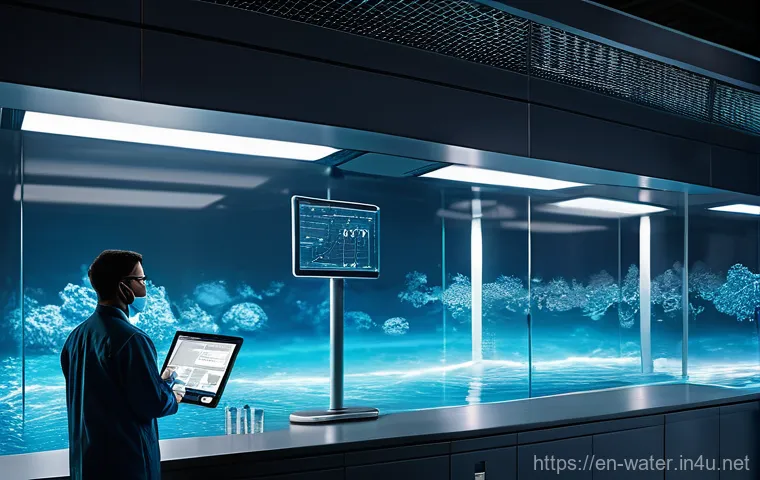
The ability to monitor water quality in real-time has absolutely revolutionized the field. Gone are the days of waiting for weekly lab results to identify a problem; now, sensors can detect anomalies within minutes, triggering immediate responses. I’ve spoken with environmental engineers who rave about how these systems have transformed their operations, allowing them to pinpoint pollution sources faster and respond to spills before they escalate. Imagine a network of interconnected sensors across a river basin, continuously streaming data on pH, turbidity, dissolved oxygen, and even specific chemical markers. This isn’t science fiction anymore; it’s becoming standard practice in leading-edge utilities. The sheer volume of data generated by these systems, when coupled with advanced analytics and machine learning, empowers decision-makers with insights they simply couldn’t get before. It’s like having a constant, vigilant watchman over our water, always ready to raise the alarm, and that peace of mind is truly invaluable.
Advanced Filtration: Tackling the Toughest Contaminants
And let’s talk about filtration! The science here has come so far. Traditional methods were great for particulate matter and many conventional pollutants, but they often struggled with the microscopic, persistent compounds we’re now finding. Enter advanced oxidation processes (AOPs), reverse osmosis (RO), and sophisticated activated carbon filters. I’ve seen pilot projects where these technologies are effectively removing PFAS from groundwater sources, offering a lifeline to communities facing severe contamination. While these systems can be more energy-intensive and costly, their effectiveness in addressing the toughest emerging contaminants makes them an increasingly vital part of our water treatment arsenal. It’s an exciting time to see engineers and scientists pushing the boundaries, developing membranes with smaller pores and treatment processes that can literally break down these “forever chemicals” into harmless components. This relentless pursuit of cleaner water truly showcases human ingenuity at its best, and it gives me a lot of hope for the future.
Navigating the Regulatory Maze: What’s New and What’s Next
Keeping up with water quality regulations can feel like trying to hit a moving target, especially with the rapid pace of scientific discovery and environmental change. But honestly, these regulations are the backbone of our clean water efforts, ensuring that there are legal frameworks to protect public health and the environment. What’s truly fascinating is how these regulations are evolving to address the new challenges we’re facing. It’s not just about setting new limits for emerging contaminants; it’s also about fostering a more holistic approach to water management, one that encourages innovation and collaboration across sectors. I’ve seen states taking the lead on issues like PFAS, pushing for stricter standards even before federal guidelines are fully established, driven by intense public demand and scientific evidence. This bottom-up pressure is incredibly powerful, showing that when communities speak up, change happens. It’s a constant dance between scientific understanding, technological capability, economic feasibility, and political will, and seeing how it all comes together is truly a masterclass in governance.
Stricter Standards for Emerging Contaminants (EC)
The big buzz in regulatory circles right now is undoubtedly the push for stricter standards on emerging contaminants. After years of discussion and research, we’re finally seeing concrete action, particularly around PFAS. The EPA, for example, has proposed the first-ever national drinking water standard for six PFAS compounds, a move that many have been advocating for tirelessly. This is a monumental step, as it will require public water systems across the US to monitor for these chemicals and take action if levels exceed the proposed limits. I remember attending a public forum where community members passionately shared their stories of living with contaminated water, and it really underscored the human impact of these pollutants. These new standards aren’t just numbers on a page; they represent a significant victory for public health and a commitment to holding polluters accountable. However, implementing these standards will require substantial investment in new treatment technologies and infrastructure upgrades, presenting a new set of challenges for water utilities.
Embracing a Holistic Watershed Approach
Beyond specific contaminant limits, there’s a growing recognition that we can’t manage water quality in isolation. A “pipe-by-pipe” approach simply isn’t enough when you’re dealing with interconnected water bodies. The shift towards a more holistic, watershed-based approach is gaining significant traction, and I, for one, am thrilled about it. This means looking at an entire river basin, from its headwaters to its mouth, and considering all the factors that influence water quality within that system. It involves collaboration between agricultural sectors, urban planners, industrial facilities, and conservation groups. I’ve witnessed the positive outcomes of such collaborations, where diverse stakeholders come together to implement practices that reduce runoff, restore riparian habitats, and improve overall water health. It’s about understanding that everything is connected, and that protecting our water requires a coordinated effort across the entire landscape. This broader perspective helps us tackle diffuse pollution sources more effectively and build more resilient water systems for the long term.
My Personal Journey: Safeguarding Our Water at Home
You know, all this talk about regulations and advanced tech can sometimes feel a bit distant from our everyday lives, but clean water starts at home, literally. I’ve always been a bit obsessive about what comes out of my tap, and after diving deep into this world, I’ve adopted quite a few habits that I feel make a real difference. It’s not about being a doomsayer; it’s about being informed and empowered. From investing in a good water filter to being mindful of what goes down my drain, every small action collectively contributes to the larger picture. I remember when I first moved into my current home, I immediately tested the tap water. Not because I expected something terrible, but because knowledge is power. The results gave me peace of mind and helped me decide on the right type of filtration system for my specific needs. It’s truly empowering to take an active role in something so fundamental to our health and well-being, and I encourage everyone to consider these simple steps.
Choosing the Right Home Water Filtration System
So, what’s the first step I always recommend? A reliable home water filter. But here’s the thing: not all filters are created equal. It’s not just about grabbing the cheapest pitcher filter at the store. You need to understand what you’re trying to filter out. Is it chlorine taste? Lead? Microplastics? PFAS? That’s why testing your water first is so crucial. Once you know your specific challenges, you can then look at options like activated carbon filters, reverse osmosis systems, or even whole-house filters. I personally use a multi-stage filter at my kitchen tap that tackles a broad spectrum of contaminants, and I’ve noticed a significant difference in taste and clarity. My coffee even tastes better! It’s an investment, absolutely, but when you consider the cost of bottled water and the peace of mind you gain, it’s one of the best investments you can make for your family’s health. Plus, think of all the plastic bottles you’re saving from landfills – a win-win!
Mindful Disposal: Protecting Drains and Waterways
Beyond filtration, being super mindful about what goes down our drains is something I constantly preach. We often don’t think twice about flushing old medications or pouring leftover paint down the sink, but these actions have a direct pipeline to our water systems. I once had a neighbor who regularly rinsed paint brushes in his driveway, and I gently explained how those chemicals would eventually make their way into the local storm drains and then the nearby creek. It’s about understanding that our drains aren’t magical portals to oblivion; they lead somewhere. Proper disposal of chemicals, medications, and even cooking oils can dramatically reduce the burden on wastewater treatment plants and prevent harmful substances from entering our waterways. Many communities offer hazardous waste collection days, and a quick online search can provide local guidelines. It’s a small habit change with a massive positive impact on the health of our local ecosystems and, ultimately, our drinking water sources.
The Economic Ripple Effect: Investing in Clean Water
Let’s not forget the dollars and cents behind all this. Ensuring clean water isn’t just an environmental or public health imperative; it’s an economic one too. The cost of inaction—of letting our water infrastructure crumble or allowing pollution to go unchecked—is far, far greater than the cost of proactive investment. I’ve seen studies that estimate billions in economic losses due to contaminated water, from impacts on fisheries and tourism to increased healthcare costs and reduced productivity. On the flip side, investments in modernizing water infrastructure and implementing advanced treatment technologies create jobs, stimulate local economies, and build more resilient communities. Think about the construction workers upgrading pipes, the engineers designing new systems, and the scientists developing detection methods—it’s a whole ecosystem of economic activity centered around a vital resource. It’s a classic case of prevention being cheaper (and better!) than cure, and recognizing this economic truth is crucial for sustained progress.
The High Price of Neglect: Infrastructure and Health Costs
When we neglect our water infrastructure, we’re essentially setting ourselves up for a much larger bill down the road. Aging pipes burst, leading to costly repairs and water losses. Outdated treatment plants struggle to cope with modern pollutants, necessitating expensive emergency upgrades or, worse, compromising public health. I recall a major city facing massive economic disruption because a century-old water main burst, flooding streets and shutting down businesses for days. That wasn’t just a structural failure; it was an economic disaster. Beyond infrastructure, there are the health costs. Waterborne illnesses, even mild ones, lead to doctor visits, missed work, and reduced quality of life. More severe contamination can lead to chronic diseases, placing an enormous burden on healthcare systems and individual families. It’s a powerful argument for smart, sustained investment in our water systems: every dollar spent wisely today saves many more dollars tomorrow.
The Boost from Green Infrastructure and Sustainable Solutions
Conversely, investing in green infrastructure and sustainable water solutions offers a fantastic economic boost. We’re talking about things like restoring wetlands, creating permeable pavements, and implementing rainwater harvesting systems. These aren’t just eco-friendly; they’re cost-effective. Wetlands, for example, act as natural filters, reducing the need for expensive chemical treatments. Permeable surfaces reduce stormwater runoff, alleviating the burden on sewer systems and preventing costly urban flooding. I’ve visited communities that have embraced these “nature-based solutions” and seen how they not only improve water quality but also enhance urban green spaces, increase property values, and foster community engagement. It’s a smart economic strategy that pays dividends in multiple ways, showing that environmental stewardship and economic prosperity can, and should, go hand-in-hand. It’s about building a future where our infrastructure works *with* nature, not against it, for the benefit of all.
| Aspect | Traditional Water Management | Modern Water Management with Smart Tech |
|---|---|---|
| Primary Focus | Addressing visible pollution, basic pathogens. | Comprehensive pollutant identification, including emerging contaminants. |
| Monitoring Method | Manual sampling, infrequent lab analysis. | Real-time sensors, continuous data streaming, AI analytics. |
| Pollutant Detection | Limited to known, established contaminants. | Broad spectrum, early detection of emerging and microscopic threats. |
| Infrastructure Approach | Centralized, large-scale treatment plants, often aging. | Decentralized, integrated systems; smart networks; green infrastructure. |
| Regulatory Response | Reactive, based on past incidents and established science. | Proactive, adaptive, incorporating new scientific discoveries and predictive modeling. |
| Cost Efficiency | Higher long-term costs due to reactive repairs and health impacts. | Optimized operations, predictive maintenance, reduced health costs. |
Beyond the Tap: Industrial Wastewater and Compliance Challenges
When we talk about water quality, it’s easy to focus on drinking water and the cleanliness of our rivers and lakes. But a massive piece of the puzzle, one that often operates behind the scenes, is industrial wastewater. This isn’t just some muddy discharge; it’s a complex concoction of chemicals, byproducts, and pollutants specific to various industries, from manufacturing to pharmaceuticals. Managing this effectively is absolutely critical, not just for environmental protection, but also for ensuring fair competition and upholding public trust. I’ve seen facilities struggle with the sheer complexity of their effluent, trying to meet ever-tightening discharge limits while maintaining production. It’s a high-stakes balancing act where compliance isn’t just a legal requirement; it’s a moral one, and increasingly, a brand reputation one. Companies that proactively invest in wastewater treatment often find it pays dividends in public perception and operational efficiency in the long run.
Tailoring Treatment to Industrial Specifics
The biggest challenge with industrial wastewater is its sheer diversity. What comes out of a textile dye plant is vastly different from a pharmaceutical factory or a food processing facility. This means there’s no one-size-fits-all treatment solution. Each industry, sometimes even each plant, requires a tailored approach, which adds layers of complexity and cost. I’ve consulted with environmental managers who spend countless hours optimizing their treatment systems, trying to achieve the perfect balance of chemical, physical, and biological processes. They’re often on the cutting edge, experimenting with new technologies like membrane bioreactors or advanced oxidation to tackle unique contaminants that conventional methods simply can’t handle. It’s a testament to human ingenuity in problem-solving, but it also highlights the constant pressure industries face to innovate and invest in cleaner production processes to meet stringent discharge standards and avoid hefty penalties.
The High Stakes of Non-Compliance: Fines and Reputation
For industrial facilities, failing to comply with wastewater regulations isn’t just a slap on the wrist; it can carry severe consequences. We’re talking about massive fines, potential shutdowns, and, perhaps most damaging, irreparable harm to a company’s reputation. I’ve witnessed firsthand how a single high-profile pollution incident can erode public trust in an instant, taking years, if not decades, to rebuild. Consumers are more conscious than ever about a company’s environmental footprint, and social media can amplify non-compliance issues globally within hours. Beyond the legal and financial penalties, there’s the long-term impact on employee morale and investor confidence. This creates a powerful incentive for companies to not just meet the minimum requirements, but to go above and beyond, embracing sustainable practices and viewing robust wastewater management as a competitive advantage rather than just a compliance burden. It’s a clear signal that responsible environmental stewardship is no longer optional; it’s fundamental to sustainable business success.
Wrapping Things Up
This journey into the complexities of water quality, from emerging contaminants to cutting-edge solutions, truly highlights how interconnected our world is. It’s been an eye-opening experience for me to dive so deep into these topics, and I genuinely hope it has been for you too. While the challenges can sometimes feel overwhelming, the incredible progress in science, technology, and policy gives me immense hope. Ultimately, ensuring clean, safe water for everyone is a shared responsibility, one that starts with awareness and thoughtful action right in our own homes and extends to global efforts. Let’s keep this vital conversation going and continue to be passionate advocates for this precious resource we all depend on.
Useful Info You’ll Want to Bookmark
1. Get to Know Your Water: Don’t just assume your tap water is perfect. While local water reports are a great starting point, investing in a home test kit can give you specific insights into what’s actually coming out of your faucet, helping you choose the best filtration for your needs.
2. Choose Your Filter Wisely: Once you understand your water’s profile, research home filtration options. Activated carbon is excellent for improving taste and odor, but if you’re concerned about lead, microplastics, or persistent contaminants like PFAS, you might need a more advanced solution like a reverse osmosis system or specialized filters. It’s an investment in your health!
3. Think Before You Drain: Never pour old medicines, cleaning products, or paints down your sink or flush them. These substances can bypass or overwhelm wastewater treatment plants. Many communities offer hazardous waste collection days, and a quick online search will guide you to local, safe disposal options.
4. Support Sustainable Water Initiatives: Keep an eye out for and support local projects focusing on green infrastructure, like permeable pavements, rain gardens, and wetland restoration. These nature-based solutions naturally filter water, reduce runoff, and often improve local ecosystems and community green spaces.
5. Stay in the Loop: Sign up for updates from your local water utility or environmental agencies. Understanding ongoing projects, advisories, or new regulations keeps you informed and empowered to advocate for continuous improvements in your community’s water quality. Knowledge truly is power when it comes to safeguarding our most essential resource.
Key Takeaways
The landscape of water quality is constantly evolving, presenting new challenges driven by climate change, the proliferation of emerging contaminants like PFAS and microplastics, and our ever-present industrial footprint. However, the good news is that we’re witnessing an incredible wave of innovation, from real-time monitoring systems to advanced filtration technologies, empowering us to tackle these complex issues more effectively. Regulatory frameworks are also adapting, with a growing emphasis on stricter standards and more holistic, watershed-based approaches to water management. Crucially, safeguarding our water isn’t solely a global responsibility; it begins with informed choices and mindful habits in our own homes. Furthermore, viewing investments in clean water infrastructure and sustainable solutions as a proactive economic strategy is essential, as it prevents far greater financial and health costs down the line, while simultaneously fostering job growth and building more resilient communities. Each of us plays a vital, impactful role in ensuring this precious resource remains pure for generations to come, and I’m optimistic about what we can achieve together.
Frequently Asked Questions (FAQ) 📖
Q: What are the emerging contaminants everyone’s talking about, and why are they such a big deal for our water?
A: Oh, it’s a topic that really gets under your skin once you start digging into it, isn’t it? For years, we thought we had a pretty good handle on water quality, but now we’re facing what I like to call “invisible invaders.” The biggest culprits making headlines are undoubtedly PFAS, those “forever chemicals” that seem to pop up everywhere from non-stick pans to firefighting foam.
What really struck me is how persistent they are – they just don’t break down easily, meaning they can accumulate in our environment and, yes, even in us.
I’ve personally seen the worry in people’s eyes when local news covers advisories about PFAS in their drinking water, and it’s a valid concern given the potential health impacts.
Then there are microplastics. Honestly, it’s mind-boggling to think that tiny plastic particles from our clothes, packaging, and countless other everyday items are now ubiquitous in water sources globally.
We’re still learning the full scope of their effect on aquatic life and, ultimately, on human health. Pharmaceuticals and personal care products are another silent threat; think about all the medicines and lotions that end up flushed or washed down the drain.
Our existing treatment plants weren’t really designed to filter out these complex compounds, and that’s why they’re such a massive challenge for maintaining truly clean water.
Q: With all these new threats, how are our water quality and wastewater regulations actually adapting and keeping up?
A: That’s the million-dollar question, right? It’s easy to feel overwhelmed by the scale of these challenges, but what I’ve witnessed firsthand is a real push for innovation and more robust regulatory frameworks.
Gone are the days of just reacting to pollution; we’re moving towards a much more proactive approach. Regulators, like the EPA here in the US and similar bodies internationally, are finally setting stricter limits on things like PFAS, which is a massive step forward.
I’ve seen communities starting to invest heavily in advanced monitoring technologies – think smart sensors and real-time data analytics that can detect contaminants at incredibly low levels, much faster than traditional lab tests.
This data is literally a game-changer for early warning systems. Also, the wastewater treatment world is buzzing with new ideas, incorporating AI to optimize processes and exploring innovative filtration techniques, like advanced oxidation processes and membrane bioreactors, specifically designed to tackle those stubborn emerging contaminants.
It’s a huge undertaking, but the shift towards embracing smart tech and updating decades-old standards is incredibly encouraging.
Q: Beyond the big regulations, what practical steps can we, as everyday folks, take to help protect our water quality at home and in our communities?
A: This is where we all get to be part of the solution, and trust me, every little bit helps! I always tell my friends that the first step is often right in our own homes.
Think about what you’re putting down your drains. Swapping out harsh chemical cleaners for eco-friendly alternatives is a simple change that makes a big difference in what eventually enters our wastewater systems.
And please, please, please, never flush old medications! There are usually designated take-back programs at pharmacies or specific disposal instructions; just tossing them in the toilet introduces pharmaceuticals directly into the water cycle.
Another thing I’ve found incredibly impactful is getting involved locally. Many communities have watershed protection groups or riverkeepers who organize cleanups and advocate for policy changes.
When I joined a local stream cleanup last year, it really hammered home the tangible impact of collective action. And finally, being an informed consumer goes a long way.
Support businesses that prioritize sustainable practices and advocate for stronger environmental policies with your local representatives. It might feel like a drop in the ocean, but when millions of drops come together, they form a powerful current for change!