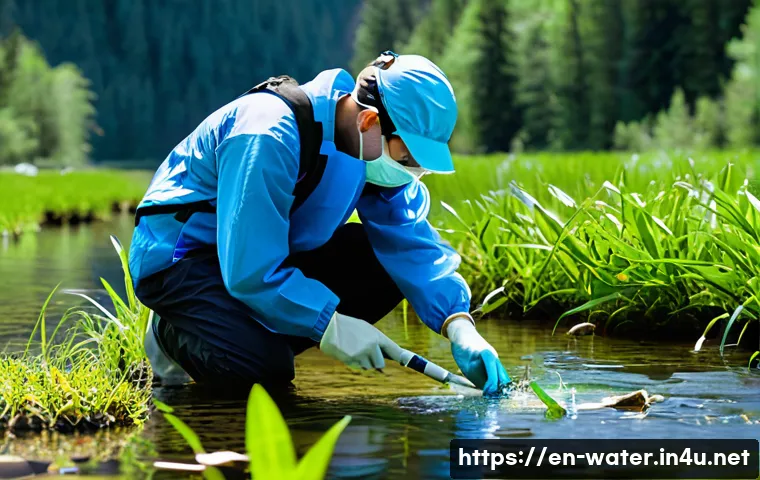
Navigating the world of water quality and environmental certifications can feel overwhelming, especially with so many options available. Whether you’re a professional aiming to boost your credentials or someone passionate about environmental protection, choosing the right combination of certifications is crucial.

These qualifications not only enhance your expertise but also open doors to exciting career opportunities in this growing field. From laboratory analysis to regulatory compliance, the right mix can set you apart in a competitive job market.
Let’s dive into the best certification combinations that can elevate your professional journey. Stick around as we explore this in detail!
Combining Technical Expertise with Regulatory Knowledge
Understanding the Importance of Laboratory Certifications
Having hands-on laboratory certifications like the Certified Water Technician (CWT) or the American Water Works Association (AWWA) lab analyst credentials can significantly boost your technical credibility.
These certifications demonstrate that you possess practical skills in water sampling, chemical analysis, and microbiological testing. From my experience, employers highly value candidates who can confidently handle complex lab equipment and interpret results accurately.
Pairing these with regulatory certifications ensures you not only perform tests but understand their implications for compliance.
Enhancing Career Prospects with Regulatory Certifications
Regulatory-focused certifications such as the Certified Environmental Scientist (CES) or state-specific water operator licenses broaden your expertise beyond the lab.
They emphasize knowledge of environmental laws, water treatment processes, and reporting protocols. When I combined my lab skills with a state operator license, I found it easier to move into supervisory roles that require both technical and regulatory oversight.
This blend helps professionals navigate the legal frameworks that govern water quality, making them indispensable to agencies and private companies alike.
Why Combining Both Matters in a Competitive Job Market
Employers increasingly seek professionals who bring a well-rounded skill set. Combining laboratory and regulatory certifications signals versatility and commitment to the field.
For example, a water quality analyst with a lab certification and a state operator license is far more attractive than one with just one qualification.
This combination also allows you to bridge communication gaps between field technicians, lab personnel, and regulatory bodies, which is crucial in project management and compliance audits.
Specialized Certifications to Strengthen Niche Expertise
Focus on Environmental Compliance and Auditing
Certifications like the Registered Environmental Manager (REM) or Certified Environmental Auditor (CEA) provide specialized knowledge in compliance assessment and environmental impact evaluation.
These are ideal for professionals aiming to lead environmental audits or manage compliance programs. I’ve seen colleagues leverage these credentials to transition into consultancy roles, where they advise companies on minimizing environmental risks and meeting stringent regulations.
Expanding Into Water Treatment Operations
For those interested in the operational side, certifications such as the Water Treatment Plant Operator or Wastewater Treatment Operator offer practical insights into treatment processes, system maintenance, and troubleshooting.
From my own experience working with treatment plants, these certifications open doors to hands-on roles that are critical for ensuring safe water delivery and environmental protection.
Leveraging Sustainability and Resource Management Credentials
Sustainability-focused certifications, like the Leadership in Energy and Environmental Design (LEED) or Certified Water Efficiency Professional (CWEP), equip professionals with knowledge on resource conservation and sustainable water management.
I noticed that adding these certifications helped me contribute to green infrastructure projects and water conservation initiatives, which are growing areas within environmental careers.
Building a Foundation with Entry-Level Certifications
Starting with Fundamental Water Quality Certifications
If you’re new to the field, entry-level certifications such as the Water Quality Association’s Certified Water Specialist or basic OSHA safety training provide a solid foundation.
These credentials offer essential knowledge about water quality parameters, safety protocols, and initial lab techniques. Early in my career, these certifications helped me get my foot in the door and build confidence before pursuing more advanced qualifications.
Combining Certifications for a Smooth Career Progression
A strategic approach is to stack entry-level certifications with mid-tier qualifications over time. For instance, starting with a Certified Water Specialist and then progressing to state operator licenses or specialized lab analyst credentials creates a clear career path.
I recommend planning your certification journey to align with your long-term goals, ensuring each step builds on the last to maximize growth and employability.
Utilizing Online and Hybrid Certification Programs
Many certification bodies now offer flexible online or hybrid formats, making it easier to balance learning with work. From personal experience, I found that enrolling in online courses allowed me to gain certifications while maintaining my job, which accelerated my career development without significant downtime.
These programs often include interactive modules and practical assignments that mirror real-world scenarios.
Maximizing Impact with Cross-Disciplinary Certifications
Integrating Water Quality with Environmental Health and Safety
Combining water quality certifications with Environmental Health and Safety (EHS) credentials creates a robust profile. Certifications like the Certified Safety Professional (CSP) or NEBOSH Environmental Certificate complement water quality expertise by emphasizing workplace safety, risk management, and emergency response.
In my experience, this combo is highly sought after in industries such as manufacturing and utilities where water safety and personnel protection intersect.
Bridging Water Quality with Data Analytics Skills
With the rise of digital monitoring, certifications in data analytics or GIS (Geographic Information Systems) can enhance your ability to interpret water quality data and support decision-making.
When I added a GIS certificate to my water quality portfolio, it transformed how I approached environmental assessments, enabling me to visualize contamination patterns and optimize sampling strategies effectively.

Combining Certifications for Consulting and Advisory Roles
Consultants often require a wide-ranging skill set. Pairing technical water quality certifications with project management credentials like PMP (Project Management Professional) or LEED AP (Accredited Professional) can open doors to high-level advisory roles.
I witnessed peers successfully leverage such combinations to lead multidisciplinary teams and manage large-scale environmental projects.
Certification Combinations Tailored for Different Career Paths
For Laboratory Analysts and Technicians
Laboratory professionals benefit most from certifications focused on analytical techniques and quality control. Recommended combos include Certified Water Technician (CWT) alongside ISO/IEC 17025 Lead Auditor training.
This pairing ensures not only technical proficiency but also an understanding of laboratory accreditation standards, which is critical for ensuring reliable and compliant testing.
For Water Treatment and Operations Specialists
Operators should consider combining state-specific water treatment operator licenses with OSHA safety certifications and process control credentials. This mix prepares them to manage treatment facilities safely and efficiently while adhering to regulatory standards.
Based on my observations, operators with these combined certifications tend to be promoted faster due to their comprehensive skill set.
For Environmental Compliance and Policy Professionals
Those focused on compliance and policy should combine environmental law certifications with auditing credentials like the Certified Environmental Auditor (CEA) and sustainability certifications such as LEED.
This blend equips professionals to interpret laws, conduct audits, and advise on sustainable practices, which I’ve found invaluable when working with government agencies or environmental NGOs.
Comparing Popular Certification Combinations
| Certification Combination | Primary Focus | Ideal For | Benefits |
|---|---|---|---|
| Certified Water Technician + State Operator License | Technical Lab Skills + Regulatory Compliance | Water Quality Analysts, Field Technicians | Versatile skill set, eligibility for supervisory roles, enhanced job prospects |
| Registered Environmental Manager + Certified Environmental Auditor | Compliance Management + Environmental Auditing | Environmental Consultants, Compliance Officers | Expertise in audits and risk management, consultancy opportunities |
| Water Treatment Plant Operator + OSHA Safety Certification | Operational Expertise + Safety | Treatment Plant Operators, Facility Managers | Improved safety standards, operational efficiency, leadership potential |
| Certified Water Specialist + Data Analytics/GIS Certification | Water Quality Basics + Data Interpretation | Entry-Level Professionals, Environmental Analysts | Enhanced data-driven decision making, modern skill application |
| Certified Environmental Scientist + LEED AP | Environmental Science + Sustainability | Policy Makers, Sustainability Consultants | Broadened environmental knowledge, sustainability project involvement |
Strategies for Maintaining and Upgrading Certifications
Continuing Education and Recertification
Most certifications require ongoing education to maintain validity. Staying current with industry trends, new regulations, and emerging technologies is crucial.
I’ve always made it a point to attend webinars, workshops, and refresher courses regularly. This not only keeps your credentials active but also ensures your knowledge remains relevant in a fast-evolving field.
Networking and Professional Associations
Joining professional organizations like the Water Environment Federation (WEF) or the American Water Works Association (AWWA) provides access to exclusive training, conferences, and peer support.
Networking through these groups helped me discover job opportunities and mentorship that accelerated my career growth.
Leveraging Certifications for Salary Negotiations and Promotions
Having a strong portfolio of certifications gives you leverage when discussing raises or promotions. Employers recognize the investment you’ve made in your professional development.
When I negotiated my last position, highlighting my dual certifications in lab analysis and regulatory compliance was a key factor in securing a higher salary and expanded responsibilities.
Closing Thoughts
Combining technical expertise with regulatory knowledge creates a powerful foundation for success in the water quality and environmental fields. Pursuing diverse certifications not only enhances your skill set but also opens doors to a variety of career paths. From my experience, a thoughtful approach to certification can accelerate growth and create valuable opportunities in this competitive industry.
Useful Information to Keep in Mind
1. Certification combinations that blend lab skills and regulatory knowledge increase your versatility and marketability.
2. Specialized credentials in environmental compliance, treatment operations, or sustainability help you stand out in niche areas.
3. Starting with entry-level certifications and progressively stacking advanced ones ensures steady career development.
4. Online and hybrid certification programs offer flexibility, making it easier to balance work and learning.
5. Maintaining certifications through continuing education and networking is essential to stay current and advance professionally.
Key Takeaways
Developing a balanced portfolio of technical and regulatory certifications significantly boosts career prospects and credibility. Tailor your certification path to your specific career goals, whether in laboratory analysis, operations, compliance, or consulting. Continuously updating your skills and engaging with professional communities are vital for long-term success and leadership in the water and environmental sectors.
Frequently Asked Questions (FAQ) 📖
Q: What are the most valuable certifications for someone starting a career in water quality and environmental protection?
A: For beginners, certifications like the Certified Environmental Specialist (CES) or the Water Quality Association’s Certified Water Specialist are excellent starting points.
These credentials provide a solid foundation in water testing, environmental regulations, and safety standards. From my experience, pairing a technical certification with a basic understanding of regulatory compliance significantly boosts your employability.
It shows employers you’re serious about both practical skills and legal frameworks, which are crucial in this field.
Q: Can combining multiple certifications really make a difference in advancing my career?
A: Absolutely. When I combined a lab-focused certification with a regulatory compliance credential, it opened up more diverse job opportunities for me. Employers tend to favor candidates who bring a comprehensive skill set—someone who not only understands how to conduct precise water analyses but also knows the environmental laws that govern those processes.
This blend can lead to roles in quality control, environmental consulting, and even policy advisory positions, making you stand out in a crowded market.
Q: How do I decide which certifications to pursue if I want to specialize in water quality analysis versus environmental policy?
A: It really depends on your career goals. If you’re drawn to the hands-on side of water quality—like testing and lab work—focus on certifications that emphasize analytical techniques and instrumentation, such as the American Water Works Association (AWWA) Water Quality Analyst certification.
On the other hand, if policy and regulatory frameworks excite you, consider certifications like the Registered Environmental Manager (REM) or those offered by environmental law organizations.
From what I’ve seen, combining one technical and one policy-oriented certification gives you flexibility and a competitive edge, especially when employers look for well-rounded professionals.