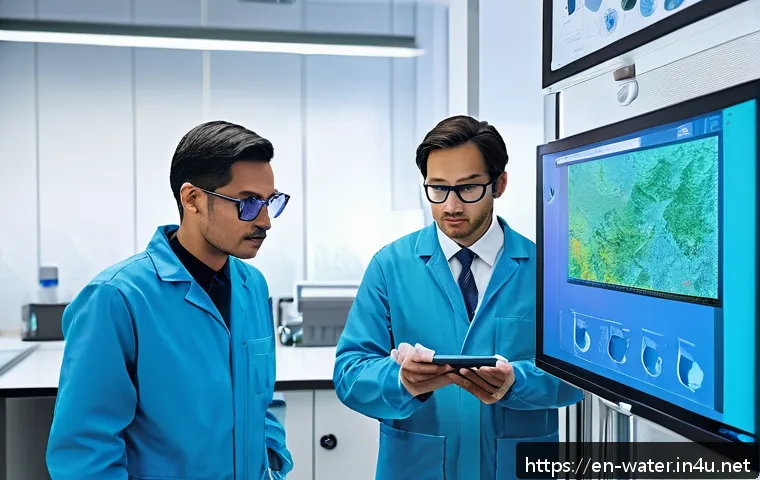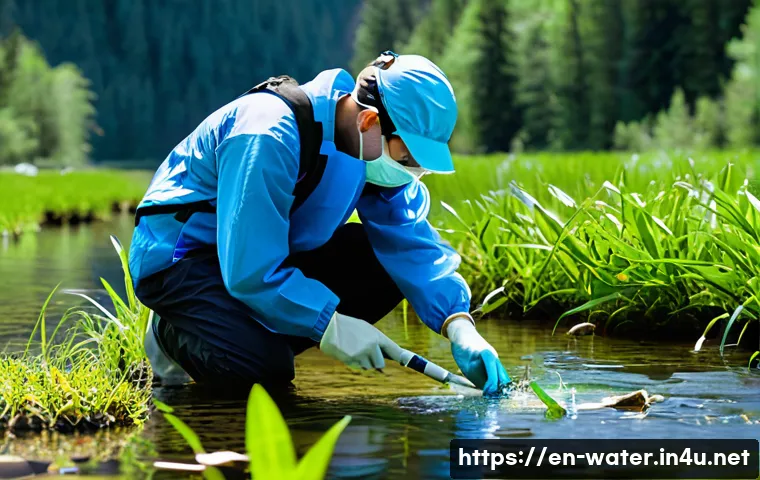
Exploring the world of water quality and environmental science can be both fascinating and crucial in today’s eco-conscious society. Whether you’re a student, professional, or just curious about how clean water impacts our health and ecosystems, having the right resources makes all the difference.
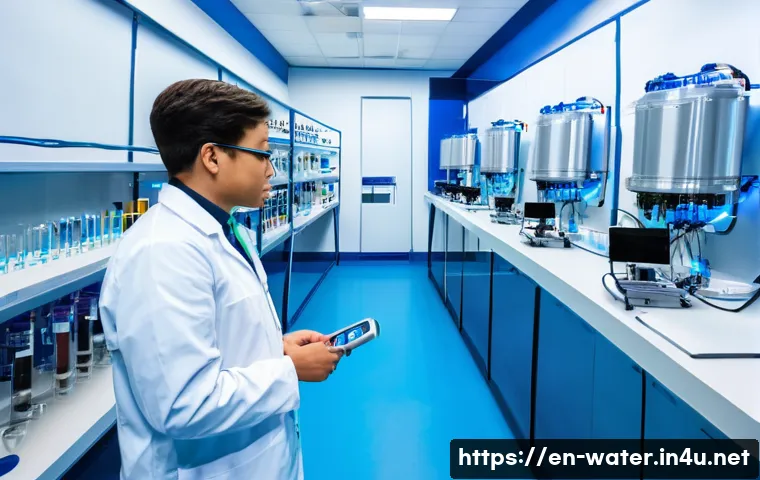
Specialized books in this field offer in-depth knowledge, practical techniques, and the latest research trends that can empower you to make informed decisions.
From understanding pollution control to mastering water treatment technologies, these texts serve as invaluable guides. If you’ve ever wondered where to start or how to deepen your expertise, you’re in the right place.
Let’s dive into the best recommended reads to boost your understanding and skills! We’ll take a closer look in the following section.
Fundamental Concepts in Water Quality Science
Understanding Key Water Quality Parameters
Grasping the essentials of water quality means diving deep into parameters like pH, turbidity, dissolved oxygen, and nutrient concentrations. These indicators tell us a lot about the health of a water body.
For instance, dissolved oxygen is a lifeline for aquatic creatures, and low levels can signal pollution or eutrophication. Turbidity, the cloudiness of water, not only affects photosynthesis in aquatic plants but also hints at sediment disturbance or runoff contamination.
When I first worked on a river restoration project, closely monitoring these parameters helped me pinpoint pollution sources and track improvements effectively.
Knowing how these factors interplay allows professionals and enthusiasts alike to assess water conditions accurately and take timely action.
Sources and Types of Water Pollutants
Pollutants entering our water systems come from a mix of point and non-point sources. Point sources are easier to identify, such as discharge pipes from factories or sewage treatment plants.
Non-point sources, however, are trickier—think agricultural runoff loaded with fertilizers and pesticides or urban stormwater carrying oils and heavy metals.
Each pollutant type—organic, inorganic, microbial, or radioactive—poses distinct challenges. For example, nutrients like nitrogen and phosphorus can trigger algal blooms that devastate aquatic ecosystems.
Learning about these sources equips readers to understand not just what pollutes water but how those pollutants behave and spread in different environments.
Essential Water Quality Indicators at a Glance
| Parameter | Typical Range | Environmental Significance | Common Sources |
|---|---|---|---|
| pH | 6.5 – 8.5 | Measures acidity/alkalinity; affects aquatic life | Industrial discharge, acid rain |
| Dissolved Oxygen (DO) | 5 – 14 mg/L | Vital for fish and aerobic organisms | Photosynthesis, aeration, pollution levels |
| Turbidity | 0 – 5 NTU (Nephelometric Turbidity Units) | Indicates water clarity and sediment presence | Soil erosion, urban runoff |
| Nutrients (Nitrate, Phosphate) | Nitrate: <10 mg/L, Phosphate: <0.1 mg/L | High levels lead to eutrophication | Agricultural runoff, wastewater |
Practical Techniques for Water Sampling and Analysis
Choosing the Right Sampling Methods
Water sampling isn’t as straightforward as dipping a bottle into a stream. It requires thoughtful planning to ensure samples truly represent the water body’s condition.
Techniques vary depending on whether you’re studying groundwater, surface water, or wastewater. Grab samples provide a snapshot at a specific moment, while composite sampling offers a more averaged picture over time.
When I was involved in a municipal water quality survey, we had to coordinate sampling times carefully to avoid bias from rainfall events or industrial discharges.
Understanding these methods enhances data reliability, which is crucial when informing policy or management decisions.
Laboratory Techniques for Accurate Water Testing
Beyond collecting samples, the lab work demands precision and expertise. Standard methods include spectrophotometry for nutrient analysis, titration for alkalinity, and membrane filtration to detect coliform bacteria.
Each technique has nuances; for example, colorimetric tests require strict timing and reagent handling to avoid skewed results. In my experience assisting in a water treatment plant’s quality control lab, meticulous adherence to protocols was key to passing regulatory audits.
Learning these analytical techniques from specialized books can significantly boost your confidence and accuracy in the field.
Interpreting Data for Effective Decision-Making
Raw data by itself can be overwhelming. The real skill lies in interpreting it—spotting trends, comparing against standards, and identifying anomalies.
For instance, a sudden spike in turbidity might signal construction runoff upstream, while consistently low dissolved oxygen could indicate organic pollution.
Advanced books often introduce statistical tools and software for water quality data analysis, which can be game changers. I recall a project where applying these techniques helped us convince stakeholders to implement stricter controls, directly improving a lake’s health over subsequent years.
Innovations in Water Treatment Technologies
Traditional Methods with Modern Twists
Classic water treatment techniques like coagulation, sedimentation, filtration, and chlorination remain foundational but have evolved with new materials and automation.
For example, the use of advanced coagulants or membrane filters has improved efficiency and reduced chemical usage. When I visited a state-of-the-art treatment facility recently, I was impressed by how sensors and IoT devices continuously monitored water quality, allowing real-time adjustments.
Books that cover these innovations provide a valuable bridge between textbook knowledge and cutting-edge practice.
Emerging Technologies Shaping the Future
Emerging fields like nanotechnology and biofiltration are revolutionizing water purification. Nanomaterials can target contaminants at the molecular level, while biofilters harness microbial communities to degrade pollutants naturally.
These approaches promise more sustainable and cost-effective solutions, especially for challenging contaminants like pharmaceuticals or microplastics.
Diving into specialized literature reveals case studies and pilot projects demonstrating their real-world application, which is inspiring for anyone looking to push the boundaries of water treatment.
Balancing Cost, Efficiency, and Environmental Impact
Choosing a water treatment strategy isn’t just about technology; it’s about balancing cost, operational complexity, and ecological footprint. For instance, UV disinfection is chemical-free but requires consistent energy input, whereas chemical disinfectants might leave residuals.
In my consulting work, weighing these trade-offs against local conditions and budget constraints was always a delicate task. Books that discuss lifecycle assessments and sustainability criteria help readers make informed decisions that align with both public health goals and environmental stewardship.
Water Quality Regulations and Policy Frameworks
Understanding Global and Local Standards
Water quality regulations vary widely across countries but share common goals: protecting human health and ecosystems. Familiarity with standards like the U.S.
EPA’s Safe Drinking Water Act or the European Union’s Water Framework Directive is essential for professionals working internationally. These regulations dictate permissible levels of contaminants and monitoring requirements.
When I first navigated regulatory compliance for a cross-border project, understanding these frameworks helped avoid costly delays and ensured community safety.
The Role of Environmental Agencies and Stakeholders
Agencies at various levels—from local water boards to international bodies like the WHO—play critical roles in enforcing standards and promoting best practices.
Stakeholders also include industries, farmers, and citizens, each with a stake in water quality outcomes. Effective collaboration among these groups often determines the success of water management initiatives.
Drawing from case studies in specialized books, I’ve seen how multi-stakeholder engagement leads to innovative solutions and greater public trust.
Future Trends in Water Quality Governance
Governance is evolving with the integration of smart technologies, citizen science, and adaptive management. Real-time water quality monitoring, enabled by digital platforms, empowers communities to participate actively in protection efforts.
Books covering these topics highlight how transparency and data sharing foster accountability and responsiveness. From my perspective, embracing these trends is vital for tackling emerging challenges like climate change impacts and urbanization pressures on water resources.
Ecological Impacts of Water Pollution
Effects on Aquatic Biodiversity
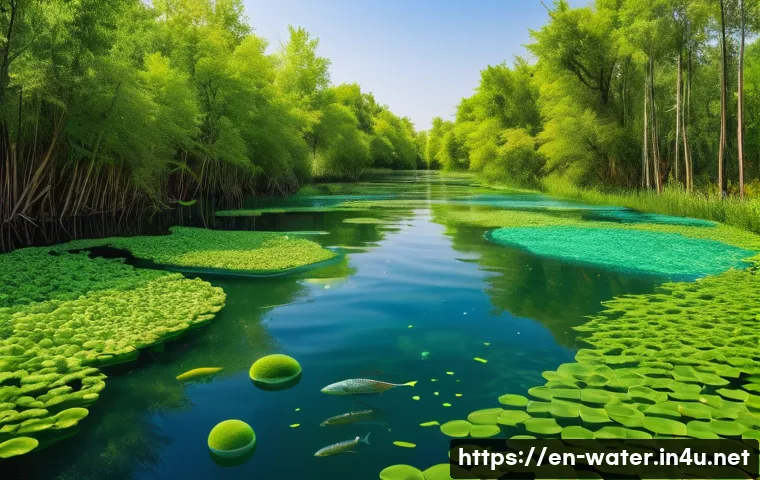
Pollution can dramatically alter aquatic ecosystems, affecting species composition, reproductive cycles, and food webs. Nutrient overloads often trigger algal blooms that deplete oxygen, leading to “dead zones” where few organisms can survive.
Toxic substances accumulate in the food chain, threatening fish, amphibians, and even birds. I remember volunteering on a wetland restoration project where tracking biodiversity changes over time was key to assessing recovery success.
Specialized texts delve into these ecological processes, offering insights for conservation efforts.
Human Health Connections
Water pollution doesn’t just impact wildlife; it directly threatens human health through contaminated drinking water and recreational exposure. Pathogens, heavy metals, and chemical toxins can cause diseases ranging from gastrointestinal infections to neurological disorders.
Understanding these risks is crucial for public health officials and water managers. Books covering epidemiological studies and risk assessments provide a solid foundation for designing interventions that protect communities.
Strategies for Mitigating Environmental Damage
Restoration and pollution prevention require integrated approaches, including source control, habitat rehabilitation, and public education. Green infrastructure like constructed wetlands and buffer zones can naturally filter pollutants before they reach water bodies.
From my experience supporting environmental NGOs, combining scientific knowledge with community involvement yields the most sustainable results. Literature that showcases successful projects and innovative methods serves as an inspiring toolkit for practitioners and advocates alike.
Career Pathways and Skills Development in Water Quality Science
Building a Strong Foundation Through Education
Embarking on a career in water quality science starts with solid academic grounding in environmental chemistry, microbiology, and hydrology. Many specialized books provide comprehensive curricula and practical exercises that bridge theory and application.
When I mentored students entering this field, I always recommended texts that include case studies and hands-on lab protocols to sharpen skills. Continuous learning is vital, as water science is dynamic with frequent technological and regulatory updates.
Essential Skills for Industry and Research Roles
Beyond technical knowledge, soft skills like critical thinking, communication, and project management are invaluable. Writing clear reports, presenting findings, and collaborating across disciplines enhance career success.
My own journey highlighted how interdisciplinary teamwork often unlocks innovative solutions. Books addressing these professional competencies alongside scientific content prepare readers to thrive in diverse roles, from consulting to policy advocacy.
Opportunities for Professional Growth and Certification
Certifications such as Certified Water Quality Professional (CWQP) or relevant environmental engineering licenses can boost credibility and open doors.
Many professional organizations offer training programs aligned with industry standards. Staying connected through conferences, workshops, and networking also enriches expertise.
The right books often guide readers on navigating these opportunities and advancing their careers strategically, blending technical mastery with professional development.
In Closing
Water quality science is a dynamic and vital field that connects environmental health with human well-being. Understanding its core principles, from measurement to treatment and regulation, empowers us to protect precious water resources. Drawing from practical experience and evolving technologies, we can make informed decisions that benefit ecosystems and communities alike. Staying curious and engaged is key to advancing in this impactful discipline.
Useful Information to Keep in Mind
1. Regular monitoring of key water quality parameters like pH and dissolved oxygen helps detect pollution early and guides effective management.
2. Identifying pollutant sources accurately—whether point or non-point—is crucial for designing targeted remediation strategies.
3. Choosing appropriate sampling and laboratory methods ensures reliable data that can withstand regulatory scrutiny.
4. Emerging treatment technologies such as nanotechnology and biofiltration offer promising solutions for persistent contaminants.
5. Collaboration among stakeholders and adherence to evolving regulations strengthen water governance and ecological restoration efforts.
Key Takeaways
Water quality science requires a balanced understanding of scientific principles, practical techniques, and policy frameworks. Accurate data collection and interpretation underpin effective water management and treatment decisions. Innovation must be weighed against cost and environmental impact to achieve sustainable outcomes. Furthermore, engaging diverse stakeholders and staying informed on regulatory standards are essential for long-term success. Building expertise through education and professional development ensures continued progress in safeguarding water resources for future generations.
Frequently Asked Questions (FAQ) 📖
Q: What are the essential topics covered in water quality and environmental science books?
A: Most comprehensive books in this field cover a range of topics including the chemistry and biology of water, sources and types of water pollution, methods for monitoring and analyzing water quality, and advanced treatment technologies.
They also delve into environmental regulations, sustainable management practices, and the impact of water quality on ecosystems and human health. From my experience, books that balance theoretical knowledge with real-world case studies tend to be the most helpful for both beginners and professionals.
Q: How can I choose the right book if I’m new to water quality and environmental science?
A: If you’re just starting out, look for books that offer clear explanations without too much jargon, and include practical examples or illustrations. Introductory texts that emphasize fundamental concepts and gradually introduce more complex topics work best.
Personally, I found that books authored by recognized experts or those affiliated with reputable environmental organizations provide trustworthy and up-to-date information.
Checking reviews or course syllabi from universities can also guide you to the best beginner-friendly reads.
Q: Are there any recent trends or innovations in water quality research that these books highlight?
A: Absolutely. Many recent publications focus on emerging contaminants like microplastics and pharmaceuticals, the role of smart sensors and IoT in water monitoring, and advances in sustainable treatment methods such as biofiltration and membrane technology.
From what I’ve observed, books that incorporate the latest research findings and case studies on climate change impacts and water scarcity solutions offer valuable insights for staying current in this rapidly evolving field.