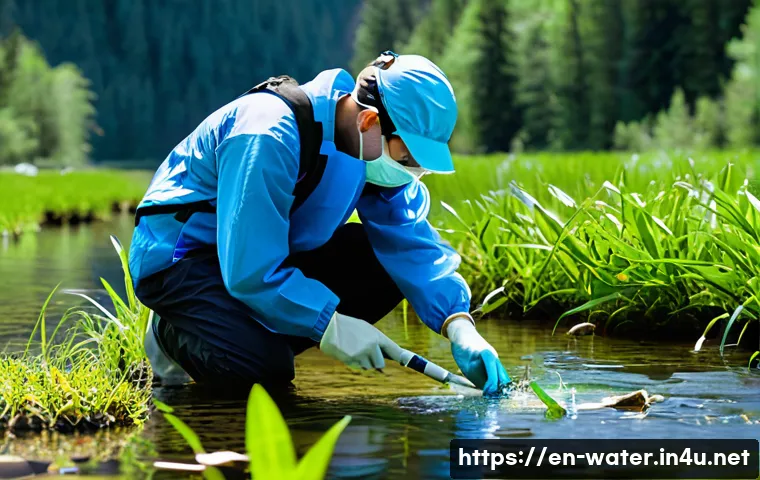
Professional water testing or consultation is usually worth paying for when the water source, intended use, or possible contaminant concern is unclear.

Do not choose a treatment system until water conditions have been verified and the equipment’s maintenance needs are understood. A home test kit, laboratory analysis, environmental consultant, and treatment provider can each serve a different purpose.
The most useful choice depends on whether you need a quick screening, a defined test panel, help interpreting a broader issue, or a treatment proposal.
Good decisions begin with clear questions about sampling, scope, timing, documentation, and follow-up. Water quality specialists are most helpful when they explain both what a result can show and what it cannot show.
At a Glance
- Start with the water source, intended use, and possible exposure concern before ordering a test or requesting a quote.
- A result outside a preferred range does not automatically identify the source of the issue or the right treatment method.
- Compare testing, consulting, and treatment services by scope, sampling process, documentation, follow-up needs, and maintenance.
| Option | Best Starting Point | What to Compare | Important Limitation |
|---|---|---|---|
| Home test kit | A preliminary screen when you need an initial indication | What the kit checks, sampling instructions, and how results are presented | It may not answer a broader source, treatment, or repeat-monitoring question |
| Water testing laboratory | When you need a defined water test panel and documented analysis | Available panels, sample containers, handling steps, timing, and report detail | The report may not identify why a condition exists or which treatment system to buy |
| Environmental consultant | When the concern involves multiple possible causes, uses, or site conditions | Assessment scope, independence, sampling plan, interpretation, and written deliverables | Consulting scope should be clear before work begins |
| Water treatment provider | After water conditions and treatment goals have been confirmed | Equipment limits, installation scope, upkeep, replacement needs, and follow-up testing | A proposal is more useful when it is tied to verified water conditions |
What Water Quality Professionals Usually Assess First
Useful water quality guidance usually starts with a simple question: what water is being used, for what purpose, and what concern needs to be investigated? A household using a private source, a facility managing building water, and a small water-system operator may need different testing scopes and different documentation. Starting with the use case helps prevent a vague request from turning into an unhelpful test panel or an unsuitable filtration recommendation.
Water Source, Intended Use, and Exposure Concerns
Ask an expert to explain how the water source affects the assessment. The source may shape the sampling approach, the questions asked, and the type of laboratory analysis that could be relevant. Intended use also matters. Water used in a home, a commercial property, or an operational setting may require different decision-making priorities.
Be specific about the concern you are trying to resolve. For example, you may be responding to a change in appearance, taste, or another observation, or you may be planning routine monitoring and documentation. These are not automatically the same problem. A clear description helps a laboratory, consultant, or treatment provider explain what their service covers.
Why Symptoms, Appearance, or Taste Alone Are Not Enough
Changes in taste, odor, color, or appearance can be useful reasons to ask questions, but they are not enough to identify the cause or select equipment. A visible change does not establish which condition is present, where it began, or whether a particular treatment method will address it.
This is where a defined testing scope matters. Before accepting a recommendation, ask whether it is based on a verified result, a general assumption, or a limited screening result. That distinction can protect you from paying for treatment equipment that does not match the actual water conditions.
Three Questions to Ask Before Booking a Test
- What question will this test panel answer? Ask what the panel includes and what it does not evaluate.
- How should the sample be collected and handled? Sampling method, timing, containers, and handling can affect how useful the result is.
- What happens after the report arrives? Clarify whether interpretation, repeat sampling, consultation, or treatment guidance is included or separate.
Comparing Water Testing, Consulting, and Treatment Options
The best service is not always the most extensive one. It is the one with a scope that matches the decision you need to make. A basic screening tool may be enough for an initial question, while a water testing laboratory may be more appropriate when you need a specific panel and formal report. An environmental consulting assessment can add value when the issue is wider than a single sample or a single treatment decision.
Home Test Kits Versus Laboratory Analysis
A home test kit can be a practical first step when you want a preliminary indication and understand its limits. Before buying one, review what it actually tests for, how the sample must be collected, and whether the result will help you decide on the next step.
Laboratory water testing is often a better fit when you need a defined analysis, controlled sample handling instructions, and documented results. The value is not simply the report itself. It is whether the selected panel matches the concern and whether the report gives enough information for the next decision. Do not assume that a broad-looking panel answers every possible question.
When an Environmental Consultant Adds Value
An environmental consultant may be useful when there are several possible factors to consider, when the water use is operational rather than purely household-based, or when a team needs help organizing testing and interpreting the findings. The key is to request a clear scope before engaging consulting services.
Ask whether the consultant will help with the sampling plan, test-panel selection, interpretation of limitations, written recommendations, or ongoing monitoring documentation. Also ask whether treatment recommendations are part of the assignment and how those recommendations are developed. Clear boundaries make it easier to compare consulting proposals fairly.
How to Compare Scope, Turnaround Time, and Total Cost
Rather than comparing only the first quoted amount, compare the full decision path. A lower initial testing cost may not be the better value if it does not answer the question you need answered. Likewise, a treatment quote should be reviewed alongside expected maintenance, replacement needs, installation scope, and any follow-up testing.
- Scope: What water source, concern, test panel, or equipment issue is included?
- Timing: When must samples be collected, and when is the result or assessment expected?
- Documentation: Will you receive a report, sampling record, interpretation, or maintenance outline?
- Follow-up: Is repeat monitoring or confirmation testing recommended after a change is made?
- Total ownership needs: What ongoing maintenance does the treatment system require?
Interview Questions That Reveal Useful, Reliable Expertise
When reading or listening to water quality specialists, look for explanations that connect the recommendation to the available evidence. A credible discussion should not jump from a general concern to a specific treatment purchase without addressing sampling, test selection, and uncertainty.
Questions About Sampling Methods and Test-Panel Selection
Ask, “Why is this test panel appropriate for this water source and use?” A useful answer should describe the purpose of the panel rather than simply list available tests. You can also ask what instructions apply to sample timing, containers, and handling, because these steps may affect the usefulness of the results.
Another strong question is, “What could this sampling approach miss?” No single sample or panel should be assumed to answer every water quality question. Understanding the boundaries of the analysis is part of making a sound purchasing decision.
Questions About Interpreting Results and Uncertainty
Ask whether the result indicates a condition that needs more investigation, repeat sampling, or a separate review. A result outside a preferred range does not automatically identify the source of the issue. It also does not automatically prove that one type of filtration or water treatment system is the correct response.
A helpful specialist should separate what the result shows from what remains uncertain. That approach is especially important when a result will be used to compare laboratory services, consulting advice, or treatment proposals.
Questions About Treatment Limits, Maintenance, and Follow-Up Testing
Before considering any treatment equipment, ask what verified condition the system is intended to address. Then ask what it does not address. This is a practical way to avoid one-size-fits-all filtration recommendations.
Also ask about routine maintenance, replacement components, service requirements, and whether follow-up testing is needed to check the result after installation. A treatment proposal should be evaluated as an ongoing responsibility, not only as an initial equipment purchase.
Practical Steps and Mistakes to Avoid
The most common avoidable mistake is making a large decision from incomplete information. Careful sample collection, a matched test panel, and a clear plan for interpretation can be more valuable than rushing toward a product recommendation.

Collecting Samples Without Compromising the Result
Follow the laboratory or service provider’s instructions exactly. Ask in advance about the proper container, sample timing, handling, and delivery process. If instructions are unclear, request clarification before collecting the sample rather than assuming that any container or collection method will do.
Keep a simple record of the collection date, water source, and any relevant observations. This does not replace professional review, but it can make later discussions with a laboratory or environmental consultant more organized.
Avoiding One-Size-Fits-All Filtration Recommendations
Do not buy a filtration or treatment system solely because it is commonly marketed for a broad water concern. The right option depends on verified water conditions, the intended use, and the equipment’s ongoing maintenance requirements.
If a treatment provider offers a proposal, ask for a clear explanation of the condition being addressed, the limits of the proposed system, the service schedule, and how success will be checked. Compare the explanation with the available test results rather than relying on broad claims.
Separating Urgent Concerns From Routine Monitoring Needs
Some situations may feel urgent because there has been a noticeable change or a concern about water use. Others involve planned routine monitoring, operational records, or a decision before installing new equipment. State which situation applies when contacting a water testing laboratory or consulting service.
For concerns involving safety, local requirements, or suitability for a specific property or facility, appropriate local testing and professional review are necessary. General guidance cannot determine whether a particular water source is safe or which technology is suitable for an individual location.
Guidance by Situation: Homes, Businesses, and Small Water Systems
Water quality decisions become easier when the decision-maker defines the setting first. The same test result can lead to different next questions in a household, a managed facility, or a small water-system operation.
Private Well and Household Water Concerns
Homeowners should begin by identifying the water source, how the water is used, and what prompted the question. A household may need an initial screening, a specific laboratory analysis, or help understanding whether a treatment proposal fits the available information.
Before paying for equipment, confirm what condition it is designed to address and what maintenance the household will be expected to perform. If the goal is better decision-making rather than an immediate purchase, laboratory testing or an independent assessment may be a more useful first expense.
Commercial Properties and Facility-Management Decisions
Facility managers often need more than a one-time answer. They may need a clear testing scope, documentation, responsibilities for sample collection, and a plan for follow-up. Environmental consulting can be useful when water decisions involve several stakeholders, operational uses, or a need to organize information before requesting treatment proposals.
When comparing providers, ask what records will be supplied and whether the proposal distinguishes between testing, interpretation, installation, and ongoing maintenance. This makes it easier to identify gaps between initial service quotes and long-term responsibilities.
Recurring Monitoring and Documentation Needs
For recurring monitoring, consistency matters. Use a clear sampling plan, retain reports and service records, and note changes in water source, intended use, or observed conditions. A repeat process should not be treated as a reason to stop reviewing whether the selected test panel still fits the actual decision.
Small water-system operators and environmental teams should confirm applicable local requirements and reporting rules with appropriate local sources. Those requirements are location-specific and cannot be assumed from general water quality information.
Selection Criteria and Comparison Summary
Before choosing a water testing laboratory, environmental consulting service, or treatment provider, use this final checklist:
- Match the service to the decision: Are you screening, documenting a condition, investigating a broader issue, or selecting treatment equipment?
- Confirm sampling requirements: Are the containers, timing, handling, and test panel clearly explained?
- Check report usefulness: Will the result include enough detail for your next decision, not just a number or broad label?
- Separate testing from treatment sales: Ask whether a recommendation is based on verified conditions and whether alternative interpretations are possible.
- Compare ongoing obligations: Review maintenance, replacement needs, service arrangements, and follow-up testing before committing.
- Request comparable quotes: Make sure each proposal states what is included, excluded, and expected after the initial service.
For service details, available testing panels, maintenance terms, and proposal conditions, check the provider’s official information page before making a commitment.
In Closing
The strongest water quality decisions are usually made in stages: define the concern, collect a useful sample, review the limits of the result, and then consider treatment or further assessment. Paying for a service can be worthwhile when it reduces uncertainty that would otherwise lead to the wrong test, the wrong equipment, or an incomplete plan. Focus on scope and evidence rather than broad promises. If local safety or compliance questions are involved, seek appropriate local testing and professional review.
Useful Information to Keep in Mind
1. The test panel matters as much as the test itself.
2. Sampling timing, containers, and handling can influence result usefulness.
3. A laboratory report and a treatment recommendation are different services with different limits.
4. Maintenance needs should be reviewed before buying water treatment equipment.
5. Local requirements and reporting rules need local confirmation.
Important Notes
This article provides general guidance only. It does not determine whether a specific water source is safe, identify the cause of an individual water quality issue, or recommend a treatment technology for a particular property or facility. Local contaminant limits, regulatory obligations, reporting requirements, provider qualifications, pricing, and service availability must be independently confirmed. Appropriate local testing and professional review are needed for decisions involving a specific water source.
Frequently Asked Questions
Q1. What questions should I ask a water quality expert before paying for testing?
A1. Ask what question the test panel is designed to answer, how the sample must be collected and handled, what the report will include, and what the results cannot establish. Also ask whether follow-up interpretation, repeat sampling, or treatment guidance is included in the quoted scope.
Q2. Is a laboratory water test worth the cost compared with a home test kit?
A2. It depends on the decision you need to make. A home test kit may help with an initial screening, while laboratory analysis may be more useful when you need a defined test panel, documented results, or information for a larger treatment or monitoring decision. Compare the scope of each option rather than assuming one is always better.
Q3. Should I buy a water treatment system before receiving test results?
A3. It is generally better to select treatment equipment against verified water conditions and known maintenance requirements. A visible change, taste concern, or broad product claim does not by itself identify the source of a water issue or confirm that a particular system is appropriate.