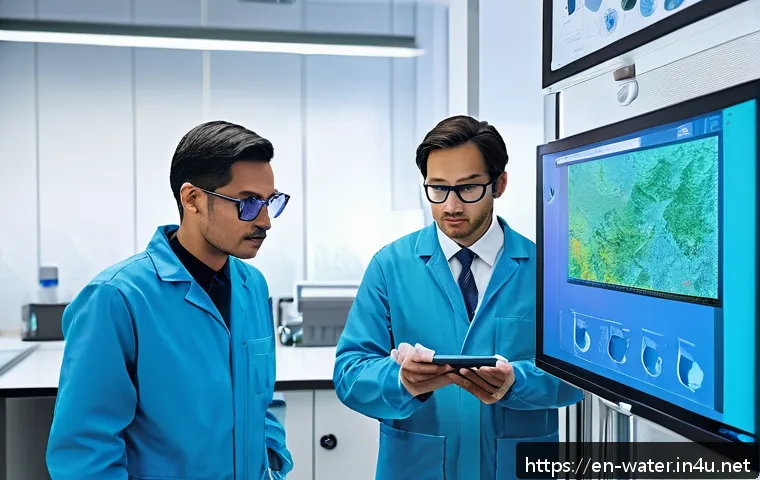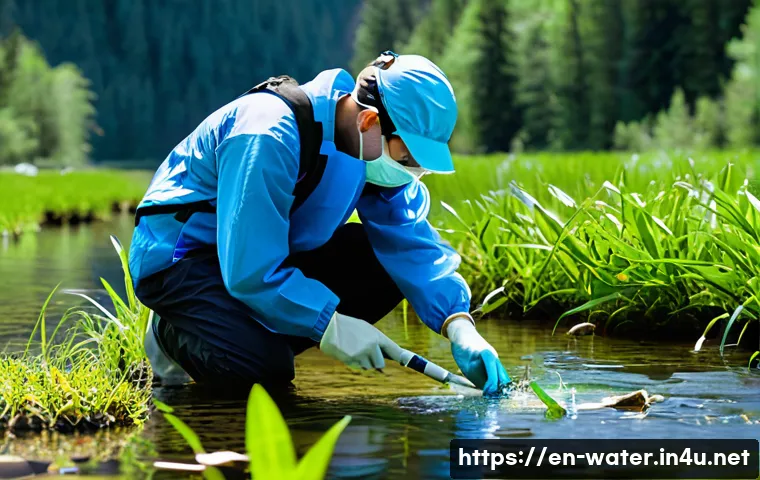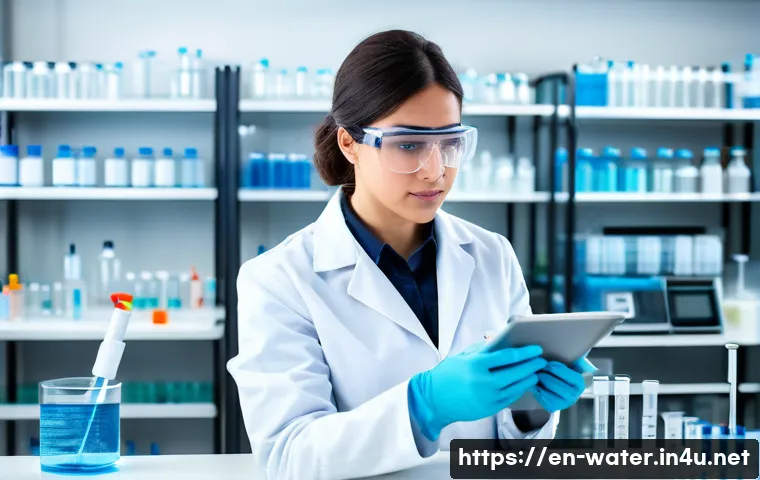
Becoming an expert in water quality management is more important than ever as environmental challenges grow worldwide. From protecting drinking water sources to ensuring sustainable ecosystems, the role demands a blend of scientific knowledge and practical skills.
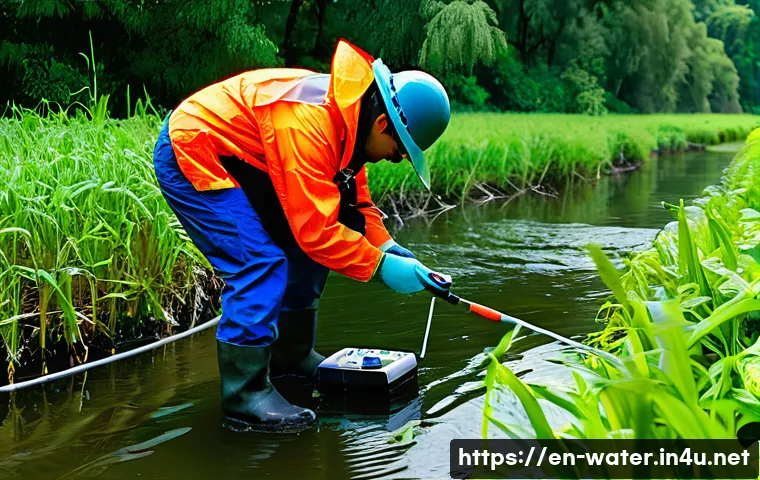
Whether you’re passionate about environmental science or looking to make a real impact, diving into this field opens up rewarding career opportunities.
With the rise of new technologies and stricter regulations, staying updated is key to success. Curious about how to start your journey and what skills you’ll need?
Let’s explore the path to becoming a water quality professional in detail!
Building a Strong Foundation in Water Chemistry and Microbiology
Understanding the Basics of Water Chemistry
Mastering water chemistry is absolutely crucial for anyone diving into water quality management. You need to get comfortable with concepts like pH balance, dissolved oxygen levels, turbidity, and the presence of contaminants such as heavy metals and nitrates.
When I first started, I found that hands-on experience with testing kits and lab instruments really helped me grasp how these parameters interact in real-world water systems.
It’s not just about memorizing facts—it’s about interpreting what the numbers mean for aquatic life and human health. For example, slight shifts in pH can drastically affect ecosystem stability or water potability, so knowing how to detect and respond to these changes is key.
Exploring Microbial Influences on Water Quality
Microorganisms can be both allies and adversaries in water environments. Learning to identify harmful bacteria like E. coli or Legionella, and understanding beneficial microbes that help break down pollutants, is a skill every water quality expert needs.
When I worked on a river cleanup project, knowing which microbes to encourage and which to eliminate made all the difference in restoring balance. It’s a blend of microbiology and ecology that shapes how you assess water safety and treatment options.
Plus, staying updated on emerging pathogens is vital since new threats can appear with climate change and urban expansion.
Practical Application: Sampling Techniques and Analysis
Sampling water correctly is an art in itself. You have to know when and where to take samples to get a true picture of water quality. I remember early on, I underestimated how different sampling times and locations could skew results.
Techniques like grab sampling versus composite sampling each have their place, depending on the study goal. Learning to use advanced analytical tools, from spectrophotometers to molecular assays, also boosts your ability to identify contaminants quickly and accurately.
This hands-on know-how builds confidence and credibility when you present your findings to regulators or community stakeholders.
Leveraging Technology for Advanced Water Monitoring
Remote Sensing and IoT Devices in Water Management
Technology has completely transformed how we monitor water systems today. Remote sensing through drones or satellites allows us to track changes in water bodies over large areas without physically being there.
In my experience, integrating Internet of Things (IoT) sensors into water networks provides real-time data on parameters like temperature, pH, and pollutant levels.
This continuous stream of information helps catch problems before they escalate, improving response times dramatically. Plus, these tools make data collection less labor-intensive, freeing up more time for analysis and strategy development.
Data Analytics and Predictive Modeling
Collecting data is just the start; making sense of it is where the real skill lies. Advanced analytics tools and machine learning algorithms enable experts to predict trends and potential contamination events.
For instance, when I analyzed historical data on a lake’s nutrient levels, I could forecast harmful algal blooms weeks in advance. This predictive capability is a game-changer for preventative water management and resource allocation.
It also strengthens the scientific basis behind policy recommendations, boosting your authority as a water quality professional.
Emerging Technologies Shaping the Future
New innovations keep popping up, from bioengineered filters to solar-powered purification systems. Staying curious and open to experimenting with these advancements has been essential in my career.
For example, pilot projects using nanotechnology for pollutant removal show promising results but require careful evaluation for environmental impacts.
Engaging with technology vendors, attending conferences, and following research journals helps keep your toolkit fresh and relevant. Ultimately, embracing innovation will position you as a forward-thinking leader in this evolving field.
Mastering Regulatory Frameworks and Compliance
Understanding Key Water Quality Standards
Every water quality professional must be fluent in the regulatory landscape, which varies by region but generally aligns around standards like the Safe Drinking Water Act in the U.S.
or the EU Water Framework Directive. I found that diving deep into these regulations early on helped me avoid costly compliance mistakes. Knowing what limits exist for contaminants, reporting requirements, and penalties for violations is critical.
This knowledge ensures your monitoring and remediation efforts meet legal thresholds and protect public health effectively.
Navigating Permitting and Reporting Processes
Permitting processes can be daunting, especially when dealing with multiple agencies or jurisdictions. When I was involved in a wastewater treatment upgrade, coordinating permits required clear documentation and communication skills just as much as technical expertise.
Learning to prepare accurate reports and respond to regulatory feedback expedites approvals and builds trust. Developing a checklist or workflow for these bureaucratic steps can save you headaches and delays, making your projects smoother from start to finish.
Collaborating with Government and Community Stakeholders
Regulations are only one piece of the puzzle; building relationships with regulators, local governments, and community groups is equally important. I’ve noticed that proactive engagement often leads to better outcomes than reactive compliance alone.
Hosting public meetings, providing transparent data, and addressing concerns earn goodwill and support for your initiatives. This collaboration can also open doors to funding opportunities or partnerships that enhance your water quality projects’ reach and impact.
Developing Hands-On Skills Through Fieldwork and Internships
The Value of Real-World Experience
Nothing compares to getting your hands dirty in the field. Internships, volunteer positions, or entry-level jobs in water treatment plants, environmental agencies, or NGOs offer invaluable insights.
When I started, shadowing experienced professionals taught me how to handle unexpected challenges, like equipment failures or sudden pollution events, which textbooks simply can’t convey.
Fieldwork builds your problem-solving skills and resilience, which are critical in this dynamic career.
Techniques for Effective Field Sampling and Monitoring
Properly collecting water samples, measuring flow rates, and documenting conditions require attention to detail and consistency. I learned early on that even minor errors in labeling or timing could invalidate entire datasets.
Using standardized protocols and checklists ensures reliability and repeatability. Additionally, understanding safety procedures, especially when working near contaminated sites or hazardous chemicals, protects you and your team.
Networking and Mentorship Opportunities
Engaging with mentors who have navigated the water quality field can accelerate your learning curve. I benefited greatly from joining professional organizations and attending workshops where I met seasoned experts willing to share advice and job leads.
Building a network also exposes you to diverse perspectives and emerging trends, helping you stay adaptable. Don’t hesitate to reach out—most professionals are eager to support newcomers passionate about making a difference.
Essential Soft Skills for Success in Water Quality Careers
Effective Communication and Reporting
Explaining complex scientific findings in clear, accessible language is a must-have skill. Whether writing reports for regulators, delivering presentations to community groups, or educating colleagues, your ability to communicate impacts how your work is received.
I’ve found that storytelling—using real examples and visuals—engages audiences far better than dry data dumps. Plus, clear communication helps foster trust and collaboration.
Critical Thinking and Problem Solving
Water quality challenges rarely fit neat patterns. You need to analyze multiple data sources, consider environmental and social factors, and devise practical solutions.
In my experience, approaching problems with curiosity and flexibility leads to better outcomes than rigidly following protocols. For example, during a contamination incident, brainstorming alternative treatment methods with a multidisciplinary team helped us respond faster and more effectively.
Project Management and Leadership
As your career progresses, managing projects and leading teams become essential. This involves budgeting, scheduling, coordinating with stakeholders, and ensuring quality control.
I learned that strong organizational skills and emotional intelligence make managing diverse groups easier and projects more successful. Taking courses in project management or volunteering to lead smaller initiatives can build these competencies gradually.
Career Paths and Opportunities in Water Quality Management
Roles in Government and Regulatory Agencies
Many water quality professionals find rewarding careers in federal, state, or local government agencies. These roles often involve monitoring compliance, developing regulations, and managing public water resources.
I’ve seen colleagues thrive by combining technical expertise with policy advocacy, influencing water quality at systemic levels. Stability and benefits are often attractive in these positions, alongside opportunities for advancement.
Private Sector and Consulting Careers
Consulting firms and private companies hire water quality experts to design treatment systems, conduct environmental impact assessments, and provide compliance advice.
Working in this sector can be fast-paced and diverse, exposing you to a variety of projects and clients. When I transitioned into consulting, I appreciated the autonomy and problem-solving challenges it brought.
Networking and continuous learning are vital to staying competitive here.
Research and Academic Opportunities
For those passionate about advancing scientific knowledge, academia and research institutions offer paths to innovate in water treatment technologies or ecological studies.
Publishing papers, securing grants, and mentoring students are part of the journey. I’ve found that a strong academic background combined with practical experience opens doors to influential positions shaping water quality science and policy worldwide.
| Career Path | Key Responsibilities | Required Skills | Typical Employers |
|---|---|---|---|
| Government/Regulatory | Compliance monitoring, policy development, public resource management | Regulatory knowledge, communication, data analysis | EPA, state water boards, local municipalities |
| Private Sector/Consulting | Designing treatment systems, environmental assessments, client advising | Technical expertise, project management, client relations | Engineering firms, environmental consultancies, water utilities |
| Research/Academia | Scientific research, publishing, teaching, grant writing | Research skills, critical thinking, academic writing | Universities, research institutes, think tanks |
Conclusion
Building a solid foundation in water chemistry, microbiology, technology, and regulatory knowledge is essential for success in water quality management. Hands-on experience combined with continuous learning helps you navigate complex challenges and make informed decisions. Embracing innovation and effective communication further strengthens your impact in this vital field. With dedication, you can contribute meaningfully to protecting water resources and public health.
Useful Information to Keep in Mind
1. Consistent water sampling methods are crucial for reliable data and accurate water quality assessments.
2. Staying updated on emerging contaminants and pathogens ensures timely responses to new water safety threats.
3. Leveraging IoT and remote sensing technologies enhances real-time monitoring and early problem detection.
4. Understanding local and national regulations helps avoid compliance issues and guides effective water management.
5. Building strong networks and seeking mentorship accelerates professional growth and opens career opportunities.
Key Takeaways
Developing expertise in both the scientific and regulatory aspects of water quality is vital for effective management and protection. Practical field experience, combined with advanced technological tools, empowers professionals to detect and address water issues proactively. Communication skills and stakeholder collaboration enhance project success and community trust. Staying adaptable by embracing innovation and continuous learning will keep you ahead in this ever-evolving sector.
Frequently Asked Questions (FAQ) 📖
Q: What educational background is recommended for a career in water quality management?
A: To build a strong foundation in water quality management, pursuing a degree in environmental science, civil or chemical engineering, biology, or related fields is highly beneficial.
These programs cover essential topics like hydrology, chemistry, and ecology, which are crucial for understanding water systems. Additionally, obtaining certifications such as Certified Water Quality Professional (CWQP) or attending specialized training can enhance your expertise and credibility in this field.
From my experience, combining formal education with hands-on internships or volunteer work in environmental agencies makes a significant difference in gaining practical skills.
Q: What key skills should I develop to succeed as a water quality professional?
A: Success in water quality management demands a mix of technical and soft skills. On the technical side, proficiency in water sampling, data analysis, and knowledge of regulatory standards like the Clean Water Act is essential.
Familiarity with GIS mapping and emerging technologies like remote sensing can also set you apart. Equally important are communication skills because you’ll often need to explain complex data to non-experts, collaborate with stakeholders, and write detailed reports.
From what I’ve seen, professionals who actively improve both their scientific know-how and interpersonal abilities tend to advance faster and make a greater impact.
Q: How can I stay updated with the latest developments and regulations in water quality management?
A: Staying current is critical given the rapid advances in technology and evolving environmental policies. I recommend subscribing to industry journals such as Water Research or Environmental Science & Technology, and joining professional organizations like the American Water Works Association (AWWA).
Attending conferences, webinars, and workshops provides valuable networking opportunities and firsthand insights into new trends. Also, regularly reviewing updates from government agencies like the EPA helps ensure compliance with the latest regulations.
Personally, dedicating time each week to read and engage with these resources has been key to keeping my knowledge fresh and relevant.