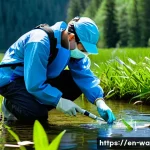
As someone who’s always been fascinated by the unseen forces shaping our world, I’ve spent countless hours digging into environmental health. And let’s be real, few things are as fundamental—or as often overlooked—as the quality of the water we drink and interact with every single day.
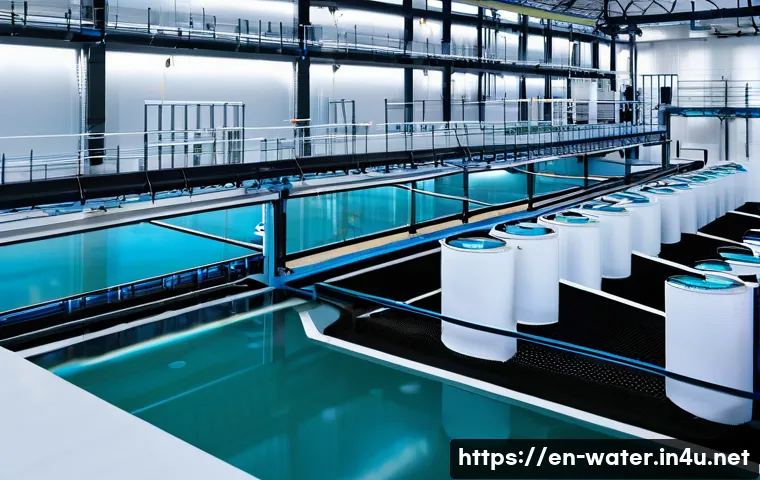
It’s easy to turn on the tap and assume everything is fine, right? But the truth is, beneath that crystal-clear surface lies a complex web of regulations and scientific efforts designed to keep us safe.
Lately, it feels like we’re constantly hearing about new challenges, whether it’s the persistent issue of microplastics making their way into our ecosystems or the growing concern over ‘forever chemicals’ (PFAS) that seem to pop up everywhere.
These aren’t just abstract problems; they affect real people, real communities, and frankly, they make you wonder: who’s actually watching out for our water, and how do they even decide what’s safe?
It’s a global endeavor, driven by evolving science and the urgent need to protect public health against both known and emerging threats. Understanding these international water quality standards isn’t just for environmental scientists or policymakers; it’s crucial for all of us as we navigate a world where water quality is increasingly at risk due to factors like climate change and industrial activities.
So, if you’ve ever found yourself pondering what goes into making your water safe, or what the future holds for this precious resource, you’re in the right place.
Let’s peel back the layers and truly understand the fascinating world of international water quality standards, right here, right now.
The Ever-Evolving Blueprint for Clean Water
It’s genuinely mind-boggling when you think about the sheer complexity involved in making sure the water flowing from your tap is safe enough to drink. For years, I just took it for granted, you know? Turn the faucet, water comes out, end of story. But digging into it, I realized that what we’re talking about here isn’t a static rulebook; it’s a living, breathing document that’s constantly being updated and refined. The folks working behind the scenes, from scientists in labs to policymakers in government buildings, are constantly grappling with new challenges. It’s like they’re playing a never-ending game of whack-a-mole, but instead of moles, it’s contaminants. This isn’t just about catching the obvious pollutants; it’s about anticipating future threats and adapting to an ever-changing environment. Every new study, every new industrial process, every shift in our climate can introduce a new variable into the equation, forcing a re-evaluation of what ‘safe’ truly means. I often wonder about the sheer volume of data they process and the discussions they have to ensure our health isn’t compromised. It’s a testament to human ingenuity and our collective commitment to public well-being, even when we, as consumers, rarely see the meticulous effort involved. We’re talking about a global effort, really, because water doesn’t respect borders, and neither do its potential problems.
A Global Tapestry of Standards
When we talk about water quality standards, it’s not just one big, universally agreed-upon list. Oh, if only it were that simple! Instead, it’s more like a beautifully intricate tapestry woven from global recommendations, regional directives, and national laws. Organizations like the World Health Organization (WHO) lay down the fundamental scientific groundwork, providing guidelines that many countries then adapt to their specific contexts. I’ve always found this fascinating because it highlights both the commonality of our human need for clean water and the unique challenges different regions face. For example, a standard that works perfectly in a country with abundant resources and advanced infrastructure might be impractical for a developing nation grappling with limited access and different types of pollutants. It’s a careful balancing act, aiming for the highest possible safety while also being realistic about what can be achieved. And trust me, getting multiple nations to agree on anything, let alone something as critical and complex as water purity, is a diplomatic feat in itself. Each thread in this tapestry represents years of research, countless negotiations, and an unwavering commitment to public health.
The Science Behind the Safeguards
Ever wonder how they actually figure out what’s safe and what’s not? It’s not just a hunch! The foundation of all these water quality standards is robust, cutting-edge science. We’re talking about toxicologists, chemists, microbiologists, and engineers all working together to determine safe exposure levels for everything from heavy metals to microscopic pathogens. I remember reading about how they establish ‘Maximum Contaminant Levels’ (MCLs) – it’s an incredibly detailed process involving risk assessments, epidemiological studies, and understanding how different substances interact with the human body over a lifetime. This isn’t a one-and-done deal either; as new scientific discoveries emerge and analytical methods become more sophisticated, these benchmarks are constantly revisited. What might have been considered an acceptable level of a certain chemical decades ago might now be flagged as a potential health risk, leading to tighter regulations. It’s a continuous learning curve, always striving to get closer to perfect clarity, both literally and figuratively, in our water supply. The dedication of these scientists, often working in obscurity, is what truly protects us every single day.
Decoding the Alphabet Soup: Key Global Players and Their Missions
Navigating the world of international water quality can sometimes feel like you’re trying to read an instruction manual written in a dozen different languages, all using acronyms! But once you get a handle on the main organizations, it really clicks into place. These aren’t just bureaucratic entities; they are the guardians of our most vital resource, each with a specific role, yet all working towards the same goal: ensuring safe drinking water for everyone, everywhere. It’s truly inspiring to see how these bodies collaborate and influence each other, creating a ripple effect that elevates standards worldwide. From setting broad health-based guidelines to enforcing strict regulatory limits, their combined efforts form a protective net over our global water supply. I’ve often thought about the sheer number of expert hours that go into crafting these policies, often under immense public and political pressure. It’s a complex dance of science, policy, and public health advocacy, all aimed at protecting us from invisible threats.
WHO: Setting the Benchmark for Health
When it comes to global health guidelines, the World Health Organization (WHO) is undeniably the big player. Their ‘Guidelines for Drinking-water Quality’ are, in my opinion, the gold standard. They don’t impose legal obligations on countries, but rather provide a scientifically sound framework that nations worldwide use as a reference point. I see them as the ethical compass, always pointing towards the healthiest outcomes based on the latest research. Their recommendations cover a vast array of parameters, from microbial contaminants like bacteria and viruses – which, let’s be honest, are often the most immediate and visible threats – to chemical contaminants like pesticides, heavy metals, and emerging pollutants. What truly impresses me about the WHO is their dedication to ensuring these guidelines are applicable in diverse contexts, offering practical advice even for areas with limited resources. It’s not just about what’s ideal, but what’s achievable and safe under real-world conditions. Their work empowers countries to develop their own enforceable standards, tailored to local conditions, but always with public health as the paramount concern.
EPA and EU Directives: Regional Powerhouses
While the WHO offers global guidance, regional bodies like the U.S. Environmental Protection Agency (EPA) and the European Union (EU) take those recommendations and turn them into legally binding directives and regulations. This is where the rubber truly meets the road! In the United States, the EPA sets and enforces national standards under the Safe Drinking Water Act. They dictate what levels of contaminants are acceptable in public drinking water, and believe me, they have a hefty list. From lead to arsenic to disinfection byproducts, they’re constantly monitoring and updating. I remember feeling a sense of relief when I first delved into the specifics of EPA regulations, knowing there were such stringent rules in place. Similarly, the EU has its own comprehensive Drinking Water Directive, which member states must transpose into their national laws. The EU’s approach often emphasizes a “preventative” strategy, aiming to protect water sources from contamination in the first place, which I personally find incredibly sensible. Both the EPA and EU directives are incredibly powerful tools, holding water providers accountable and providing a crucial layer of protection that directly impacts what comes out of our taps every day.
Beyond the Tap: Unmasking Emerging Contaminants
Just when you think you’ve got a handle on all the known bad actors in our water, a new set of challenges emerges. It’s like a never-ending detective story, but with real-world health implications. The truth is, our technological advancements and consumer habits often create new types of pollution that scientists then have to scramble to identify, understand, and, eventually, mitigate. This isn’t about scaremongering; it’s about being aware of the persistent problems our modern lives create and acknowledging the monumental effort required to keep our water clean. I’ve spent countless evenings reading about these issues, and honestly, it can be a bit overwhelming, but it’s also incredibly important to understand. The threats aren’t always visible, and they certainly aren’t always as simple as a factory dumping waste directly into a river anymore. Sometimes, they’re microscopic, persistent, and insidious, making their way into our water systems through countless diffuse pathways.
The Microplastic Menace: Tiny Threats, Big Problems
Microplastics. Ugh. Just the word itself makes me sigh. These tiny plastic particles, smaller than 5 millimeters, are everywhere – in our oceans, our soil, and yes, increasingly, in our drinking water. I first became really aware of this issue when I started seeing reports about microplastics being found in bottled water, which was a huge eye-opener for me. They come from the breakdown of larger plastic items, microbeads in cosmetics, and even the fibers shed from synthetic clothing during laundry. The scary part? We’re still trying to fully understand their long-term health effects. Are they just passing through us, or are they accumulating? Are the chemicals they carry leaching into our bodies? These are critical questions that researchers globally are racing to answer. The challenge is immense because they are so pervasive and incredibly difficult to remove with conventional water treatment methods. It’s a stark reminder that our throwaway culture has consequences that extend far beyond the landfill.
PFAS: The “Forever Chemicals” That Won’t Quit
If microplastics are a sigh, then PFAS are a groan. These ‘forever chemicals’ – per- and polyfluoroalkyl substances – are a family of thousands of man-made chemicals that have been used in everything from non-stick cookware to firefighting foams, water-repellent fabrics, and even some food packaging. What makes them so concerning is their incredible persistence in the environment and in our bodies; they simply don’t break down easily. I’ve been following the news on PFAS for a while now, and it’s genuinely troubling how widespread they are in water sources across the globe. Exposure has been linked to various health problems, including developmental issues, certain cancers, and immune system effects. Regulators are now playing catch-up, trying to set limits and develop effective remediation strategies, which are often incredibly expensive and complex. It’s a truly formidable challenge, underscoring the need for more stringent chemical regulation from the outset, rather than trying to clean up the mess years later.
Pharmaceuticals in Our Water: A Silent Concern
Here’s another one that might make you do a double-take: pharmaceuticals. Believe it or not, traces of medications like antibiotics, painkillers, and even hormones are showing up in our water systems. How? Well, it’s often through wastewater, as our bodies don’t fully metabolize all drugs, and the rest gets flushed down the toilet. Traditional wastewater treatment plants aren’t typically designed to remove these complex chemical compounds, so they can persist and find their way into rivers, lakes, and eventually, our drinking water sources. While the concentrations are usually very low, the long-term effects of chronic exposure to a cocktail of various drugs on human health and aquatic ecosystems are still not fully understood. It’s a subtle but significant issue that highlights the intricate connection between our personal health choices and the broader environmental health of our communities. It certainly makes you think twice about how you dispose of expired medications, doesn’t it?
Why Your Water Bill Matters: The Cost of Cleanliness
I know, I know. Nobody *loves* getting bills. But when I look at my water bill now, I see it less as an expense and more as an investment – an investment in my health, my community’s well-being, and the intricate infrastructure that makes modern life possible. It’s easy to grumble about rising costs, but once you pull back the curtain on what it *actually* takes to deliver clean, safe water to your tap, the numbers start to make a lot more sense. We’re not just paying for the raw water itself; we’re paying for a massive, unseen network of pipes, pumps, treatment facilities, and highly skilled professionals who work around the clock. The true cost of clean water is monumental, and frankly, I think many of us vastly underestimate the resources required to maintain such a critical service, especially as demands grow and new contaminants emerge.
Investing in Infrastructure: The Unseen Heroes
Think about it: miles upon miles of pipes buried underground, some of which are decades, even a century, old. Pumps that tirelessly move water uphill, reservoirs that store it safely, and treatment plants that are technological marvels. All of this requires constant maintenance, upgrades, and sometimes, complete replacement. I’ve seen documentaries about aging infrastructure in older cities, and it’s a stark reminder of how vulnerable our systems can be if not adequately funded. A burst main isn’t just an inconvenience; it can be a health hazard and a massive repair job. When you contribute to your water bill, a significant portion goes towards keeping this entire, vast, and often invisible system running smoothly, ensuring that our water doesn’t just flow, but flows safely. It’s about securing the future of our water supply, and that’s a long-term investment that frankly, we can’t afford to skimp on.
Technological Advancements and Their Price Tag
Beyond the pipes and pumps, there’s the brainpower and technology. Modern water treatment isn’t just about adding chlorine anymore; it involves sophisticated filtration systems, advanced disinfection methods, and continuous monitoring using cutting-edge sensors. Developing and implementing these technologies, especially those designed to tackle emerging contaminants like microplastics and PFAS, is incredibly expensive. I’ve heard experts discuss the cost of implementing advanced oxidation processes or granular activated carbon filters for PFAS removal, and the figures are astronomical for some communities. But these aren’t luxuries; they are necessities in our increasingly complex environmental landscape. Our water bills help fund the research, development, and deployment of these vital tools, pushing the boundaries of what’s possible in water purification. It’s an investment in innovation that directly translates to safer water for all of us.
The Ripple Effect: How Local Actions Impact Global Water Security
It’s easy to feel like the massive challenges of international water quality are too big for any one person or even one community to tackle. But I’ve come to realize that this perspective often misses the incredible power of interconnectedness. What happens in your local watershed, or how your community manages its wastewater, doesn’t just stay local. It creates a ripple effect, influencing regional ecosystems, shared river basins, and ultimately, the health of our global oceans and atmosphere. Understanding this interconnectedness is absolutely crucial for moving forward. Every drop of water is part of a larger cycle, and every decision we make about its use and protection contributes to a much bigger picture. It’s like throwing a pebble into a pond; the concentric circles might seem small at first, but they spread surprisingly far, touching every corner.
Protecting Our Watersheds: Starting at the Source
Many people only think about water quality when it reaches their tap, but the real work starts much further upstream, in our watersheds. These are the areas of land where all the rain and snowmelt drain into a common river, lake, or ocean. Protecting these natural systems from pollution – whether it’s agricultural runoff, urban stormwater, or industrial discharges – is foundational to ensuring clean water. I’ve personally seen how local initiatives, like community clean-ups or efforts to restore wetlands, can dramatically improve the health of a local river. These actions don’t just benefit the immediate area; they prevent pollutants from flowing downstream and into larger bodies of water, which might eventually supply drinking water to other communities, or even contribute to global ocean health. It’s a prime example of how local stewardship has global implications, reinforcing the idea that every small effort truly counts in the grand scheme of things.
The Global Impact of Responsible Waste Management
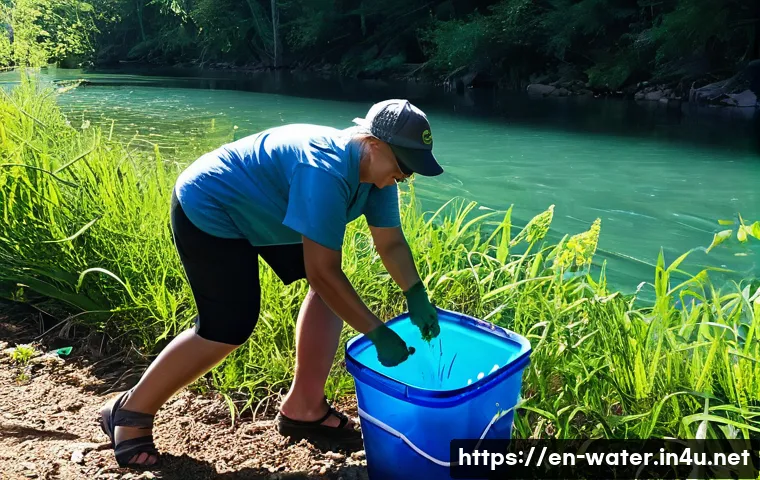
This might seem obvious, but how we manage our waste, especially wastewater, has a profound impact on global water quality. In many parts of the world, inadequate wastewater treatment leads to raw sewage contaminating rivers and coastal waters, causing widespread disease and ecological damage. But even in developed nations with robust infrastructure, our individual habits matter. What we flush, what we pour down the drain, and how we dispose of hazardous household products (think old paints or chemicals) all contribute to the overall burden on treatment plants. If these facilities are overwhelmed or not equipped to handle certain substances, those pollutants can end up back in the environment. From a global perspective, robust and responsible waste management, both at individual and governmental levels, is a cornerstone of protecting shared water resources and preventing the spread of waterborne illnesses across borders. It’s a collective responsibility that demands collective action and awareness.
Future-Proofing Our Hydration: Innovations on the Horizon
Looking ahead, it’s easy to get caught up in the challenges of water quality, but I actually feel a sense of optimism when I consider the incredible innovations on the horizon. Scientists and engineers globally are working tirelessly to develop groundbreaking solutions that promise to revolutionize how we treat, monitor, and protect our water resources. It’s like something out of a sci-fi movie sometimes, the way technology is advancing! From smart sensors that can detect contaminants in real-time to completely novel filtration materials, the future of water treatment looks incredibly exciting. These aren’t just theoretical concepts; many of these innovations are already being piloted and implemented, offering a glimpse into a world where clean, safe drinking water is not just a hope, but a guaranteed reality for even more communities. The commitment to innovation gives me a lot of hope for generations to come.
Cutting-Edge Filtration Technologies
Traditional water treatment has served us well, but new threats demand new solutions. That’s where cutting-edge filtration comes in. We’re talking about things like advanced membrane technologies – imagine filters with pores so tiny they can block virtually all contaminants, including viruses and even some microplastics! Then there’s nanotechnology, where materials are engineered at the atomic and molecular level to create super-efficient adsorbents and catalysts that can break down persistent chemicals like PFAS. I’ve been following developments in graphene-based filters, for example, which hold immense promise for incredibly efficient and low-energy water purification. These aren’t just fancy gadgets; they are game-changers that offer superior contaminant removal with potentially lower energy footprints, making clean water more accessible and sustainable in the long run. It’s truly inspiring to see how human ingenuity is tackling some of our most stubborn environmental problems.
Smart Monitoring for a Smarter Future
The future of water quality isn’t just about what we remove from the water, but also how intelligently we monitor it. Imagine a world where sensors embedded throughout the water distribution network can detect contamination events in real-time, instantly alerting authorities and pinpointing the source. This isn’t science fiction; it’s rapidly becoming a reality. ‘Smart water’ systems are using IoT (Internet of Things) devices, AI, and big data analytics to continuously assess water quality, predict potential issues, and even optimize treatment processes. I’m particularly excited about advancements in biosensors that can detect pathogens and chemical pollutants with unprecedented speed and accuracy. This proactive approach, moving from reactive testing to continuous, predictive monitoring, means we can identify and address problems much faster, significantly reducing health risks and improving overall system resilience. It’s about building a robust, responsive defense system for our water supply, and it’s truly a thrilling prospect.
| Parameter | WHO Guideline (mg/L) | US EPA MCL (mg/L) | Notes |
|---|---|---|---|
| Arsenic | 0.01 | 0.01 | A naturally occurring toxic metal, linked to various health issues. |
| Lead | 0.01 (Provisional) | 0.015 (Action Level) | Can leach from plumbing; no safe level, especially for children. |
| Nitrate | 50 | 10 | Agricultural runoff; can be harmful to infants. |
| E. coli | 0 (absence in 100 mL) | 0 (absence in 100 mL) | Indicator of fecal contamination and potential pathogens. |
| Chlorine (Residual) | 5 (max) | 4 (MRDL) | Used for disinfection; can form byproducts. |
A Call to Action: Protecting Our Most Precious Resource
After all this talk about standards, regulations, emerging threats, and the sheer effort involved, I hope one thing is crystal clear: water is not just a commodity; it is life itself, and its quality is inextricably linked to our health, our environment, and our future. The complexities can feel daunting, but the good news is that we’re not just passive recipients of whatever water flows to us. We have agency, and our collective actions, informed by knowledge and driven by a shared commitment, can make an enormous difference. This isn’t just an academic exercise for me; it’s a deeply personal passion, and I genuinely believe that understanding these issues is the first step towards safeguarding this vital resource for generations to come. It’s about shifting our mindset from taking water for granted to actively participating in its preservation.
Advocacy and Policy: Making Your Voice Heard
One of the most impactful ways we can contribute to better water quality is by engaging in advocacy and supporting sound environmental policies. This means paying attention to local elections, understanding where candidates stand on environmental issues, and contacting your representatives about concerns you have. Supporting environmental organizations that lobby for stronger regulations, fund research, and educate the public is also incredibly valuable. I’ve seen firsthand how grassroots movements can push for significant policy changes, leading to cleaner rivers and safer drinking water for entire communities. Our voices, when united, are powerful. Don’t underestimate the effect of writing a letter, signing a petition, or simply showing up to a public meeting. These actions send a clear message that clean water is a priority for us, and that our leaders must act accordingly.
Personal Responsibility and Sustainable Practices
Beyond political action, it boils down to our daily choices. Every time we conserve water – whether it’s by taking shorter showers, fixing leaky faucets, or watering our gardens efficiently – we reduce the strain on our water systems. Choosing sustainable products that don’t contribute to microplastic pollution or contain harmful chemicals is another powerful way to make a difference. Supporting businesses that prioritize environmental stewardship and have transparent supply chains can also drive positive change. It’s about being a mindful consumer and recognizing that our individual consumption patterns have a cumulative effect. Embracing these sustainable practices isn’t just good for the planet; it’s an investment in our own health and the health of future generations. It’s a holistic approach, where awareness meets action, creating a healthier, more hydrated world for everyone.
Wrapping Things Up
Phew! We’ve journeyed through quite a bit today, haven’t we? From the unseen heroes in labs to the critical global players, and even peeking into the future of water tech, it’s clear that ensuring clean water is a magnificent, ongoing endeavor. I truly hope this dive into the world of water quality has been as enlightening for you as it has been for me to share. It’s a reminder that some of the most fundamental aspects of our lives are often the most complex and require our continuous attention and appreciation.
Good to Know Tidbits
Here are a few nuggets of wisdom I’ve picked up that I think you’ll find genuinely helpful and perhaps a little thought-provoking:
1. Your Taste Buds Aren’t Always the Best Judge: Just because water tastes fine doesn’t mean it’s free of contaminants. Many harmful pollutants are odorless and tasteless, highlighting why consistent monitoring and treatment are so crucial. Always rely on official reports, not just your senses!
2. Boiling Water isn’t a Cure-All: While boiling effectively kills most bacteria and viruses, it doesn’t remove chemical contaminants like lead, PFAS, or nitrates. In fact, boiling can sometimes concentrate these chemicals. Always understand the specific threat before relying on this method.
3. Filter Maintenance is Key: If you use a home water filter (pitcher, faucet, or whole-house), remember that its effectiveness depends entirely on proper maintenance. A clogged or expired filter can actually become a breeding ground for bacteria or release previously filtered contaminants back into your water. Set those reminders!
4. Learn Your Local Water Report: Most public water suppliers are required to provide annual Consumer Confidence Reports (CCR). Seriously, take a few minutes to read yours. It’s a fantastic, free resource that tells you exactly what’s in your water, where it comes from, and how it’s treated. Knowledge is power, right?
5. Pharmaceutical Disposal Matters: Never flush old medications down the toilet. Proper disposal (often take-back programs at pharmacies or specific guidelines from your local waste management) prevents these chemicals from entering our wastewater systems and potentially returning to our environment. Every little bit helps keep our ecosystems healthy.
Key Takeaways
So, what’s the big picture here? For me, it boils down to a few critical points that I constantly keep in mind. Firstly, water quality standards aren’t static; they are dynamic, evolving blueprints crafted by dedicated experts worldwide, constantly adapting to new scientific understanding and environmental challenges. It’s a testament to incredible human ingenuity and collaboration. Secondly, the emergence of ‘new’ threats like microplastics and PFAS reminds us that our modern lifestyles have unforeseen consequences, requiring us to be more vigilant than ever. These aren’t just abstract problems; they impact every single one of us. Finally, and perhaps most importantly, ensuring clean water is a shared responsibility. It requires active participation, from advocating for robust policies and supporting sustainable practices to simply being mindful of our daily consumption. We’re all part of the solution, and recognizing that empowers us to protect this precious resource for generations to come. Let’s make every drop count!
Frequently Asked Questions (FAQ) 📖
Q: What exactly are “international water quality standards” and who actually creates them?
A: You know, it’s a question I’ve found myself pondering many times as I’ve dug into the world of environmental health. When we talk about “international water quality standards,” we’re essentially looking at a set of guidelines and benchmarks designed to ensure that water, whether it’s for drinking, recreation, or agriculture, is safe for its intended use.
It’s not always about a single, global enforcement body like a “water police” (though sometimes I wish there was one!). Instead, it’s more of a collaborative effort, with organizations like the World Health Organization (WHO) playing a massive role.
The WHO, for instance, publishes its “Guidelines for Drinking-water Quality,” which many countries use as a foundation for developing their own national standards.
They don’t have the power to enforce these guidelines, but their scientific rigor and extensive research mean their recommendations carry immense weight globally.
Beyond the WHO, you also have regional bodies, national environmental protection agencies like the EPA in the US, and even local water authorities. It’s a complex tapestry, really, woven together by scientists, policymakers, and public health experts, all trying to define what “safe” truly means for such a vital resource.
From my perspective, it’s a constant evolution, adapting to new scientific discoveries and emerging threats, which is what makes it so fascinating and so incredibly important.
Q: With all this talk about microplastics and ‘forever chemicals’ (PF
A: S), are current standards even enough to protect us? A2: This is such a critical question, and frankly, it’s one that keeps a lot of us in the environmental health space up at night.
The short answer is: it’s complicated, and often, current standards are struggling to keep pace with these emerging threats. Think about it: traditional water quality standards were developed to combat well-understood contaminants like bacteria, heavy metals, and certain industrial pollutants that have been around for decades.
But microplastics and PFAS are relatively new challenges on the public consciousness, and the science behind their long-term health effects is still rapidly developing.
What I’ve seen firsthand is that regulatory bodies are definitely scrambling to catch up. For instance, the EPA in the US has proposed maximum contaminant levels for several PFAS compounds, and many other countries are similarly moving to set their own limits.
But the sheer pervasiveness of these “forever chemicals” and the tiny, insidious nature of microplastics mean it’s a massive undertaking. From my own research, it feels like we’re in a constant race against time, trying to understand the full scope of the problem and then implement effective, enforceable standards.
It’s not just about setting a number; it’s about developing the technology to detect these substances, and then, even harder, the infrastructure to remove them from our water systems.
So, while progress is being made, I’d say we’re still very much in the early stages of truly understanding and fully mitigating these modern pollutants.
Q: How can an average person stay informed and ensure their household water is truly safe, given all these global challenges?
A: This is where the rubber meets the road for most of us, isn’t it? It’s easy to feel overwhelmed by the global scale of water quality issues, but you absolutely have power over what comes out of your tap!
First off, one of the best things you can do is get to know your local water quality report. In many countries, your public water supplier is legally required to provide an annual Consumer Confidence Report (CCR) – you can usually find it online or they’ll mail it to you.
This report details exactly what’s in your local water, often down to the parts per billion for various contaminants. It’s a fantastic starting point.
I’ve personally found these reports incredibly enlightening. Secondly, if you have concerns beyond what the report shows, or if you have well water, consider getting your water tested by a certified lab.
It gives you a personalized snapshot of your specific water source. From there, you can explore filtration options. This is a big one!
There’s a huge spectrum, from simple pitcher filters for taste and chlorine reduction, to whole-house systems that tackle everything from sediment to specific chemicals like lead or certain PFAS.
Personally, after diving deep into this topic, I opted for a high-quality filter for my drinking water that’s certified to remove a wide range of contaminants, including some of those newer ones.
Staying informed also means keeping an eye on local news and environmental agency updates. Think of yourself as an active participant in your water quality, rather than just a passive consumer.
It’s about taking proactive steps for peace of mind and, most importantly, for your family’s health.