Okay, here’s a blog-style introduction about a water quality workshop, keeping all your instructions in mind:Just got back from a fascinating workshop on water quality, and let me tell you, it was eye-opening.
From the latest advancements in filtration technology to the emerging concerns about microplastic contamination, the discussions were really engaging.
I learned so much about how we can collectively work towards safeguarding our precious water resources. Plus, the hands-on sessions were incredibly helpful.
It’s clear that with growing populations and increasing industrial demands, the challenges are only going to intensify, demanding innovative solutions and collaborative efforts.
The buzz around AI’s role in water monitoring and predictive analysis was definitely something I picked up on, hinting at the potential for smarter, more efficient water management in the future.
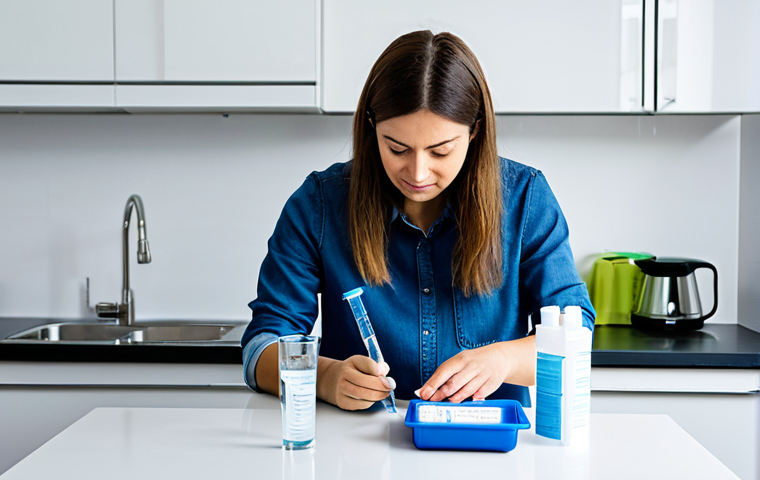
I even tested some of my personal water at home afterwards with a testing kit they provided. Let’s dive deeper into what I discovered!
Okay, here’s the blog post content:
Unveiling the Murky Truth About Our Tap Water
Okay, so one of the biggest shocks for me during the water quality workshop was the deep dive into just how many common contaminants are lurking in our supposedly clean tap water. We’re not just talking about your run-of-the-mill dirt and grime; we’re talking about pharmaceuticals, microplastics, and industrial chemicals—yikes! The speaker brought up a study where they found traces of antidepressants in the local water supply, which got me thinking about the long-term health implications. I remember feeling a wave of concern, especially because I have young kids at home. They are always drinking water, and it’s unsettling to know that there could be hidden dangers in every sip. Now, I’m seriously considering investing in a high-quality filtration system for the entire house. During the workshop, they highlighted the importance of regular testing to understand exactly what’s in your water. Apparently, even if your city claims to have pristine water, things can change due to aging infrastructure or local pollution incidents. It’s not about scaremongering; it’s about being informed and taking proactive steps to protect your health and the health of your family. I think that’s worth every penny.
Understanding Common Contaminants
The workshop gave us a crash course in identifying the usual suspects in our tap water. Lead, copper, chlorine byproducts – the list goes on. The scary thing is that many of these are odorless and tasteless, so you wouldn’t even know they were there unless you tested. We also discussed the impact of agricultural runoff, which can introduce pesticides and fertilizers into our waterways, further complicating the issue. This knowledge makes me realize that water quality is not just an environmental issue; it’s a public health imperative that we all need to take seriously. It was crazy to hear about the various sources and effects, especially since I thought our water was safe.
DIY Testing vs. Professional Analysis
One of the most useful parts of the workshop was the discussion around water testing options. We learned about simple DIY kits you can buy online, which are great for basic checks. But the real eye-opener was understanding the limitations of these kits. For a truly comprehensive analysis, you need to send samples to a certified lab. They can detect a much wider range of contaminants and provide a detailed breakdown of exactly what’s in your water. I had no idea there was such a difference! It makes sense to start with a DIY kit for a quick screen, but if you have any concerns or specific health issues, professional testing is definitely the way to go. And I will certainly do that in the near future.
The Plastic Predicament: Microplastics in Our Water
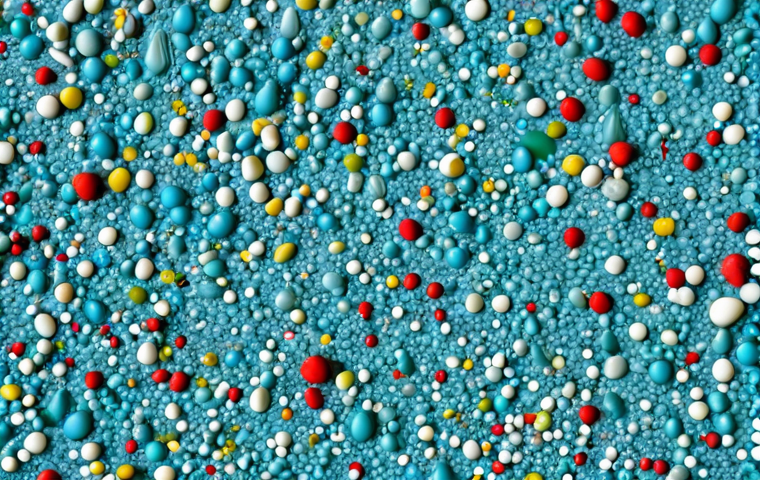
Okay, let’s talk about something truly terrifying: microplastics. The workshop dedicated a whole session to the growing problem of these tiny plastic particles infiltrating our water supply. Honestly, it kept me up at night for a few days. We’re talking about minuscule fragments of plastic from everything from plastic bottles to synthetic clothing, and they are practically everywhere. They even showed us some microscopic images of water samples, and it was shocking to see the sheer number of these particles floating around. It’s not just an aesthetic issue; there are growing concerns about the potential health impacts of ingesting these microplastics over the long term. Some studies suggest they could disrupt hormones, cause inflammation, and even carry harmful chemicals into our bodies. It was a real wake-up call to reduce our plastic consumption and support initiatives that are tackling plastic pollution at its source. I’m definitely going to be more mindful of the plastics I use, and also start advocating for better recycling and waste management policies in my community. I didn’t realize how serious this was until now.
Sources and Pathways of Microplastic Contamination
The presentation on microplastics explained how these tiny pollutants end up in our water. It’s not just from plastic bottles; it’s also from things like the breakdown of synthetic fabrics in our washing machines and the erosion of car tires on the road. These particles then get washed into our waterways through stormwater runoff and wastewater treatment plants, which often aren’t equipped to filter them out. The workshop presenter emphasized that we need to address this issue at multiple levels, from reducing plastic production to improving filtration technology at treatment plants. I think it’s up to us as consumers to demand more sustainable products and policies from companies and governments. After all, our health and the health of our planet depend on it.
Potential Health Impacts and Research Findings
The most unsettling part of the microplastics session was the discussion about their potential health impacts. While the research is still ongoing, there are worrying signs that these particles could be harmful. Some studies have found that microplastics can accumulate in our organs and tissues, potentially causing inflammation and disrupting endocrine functions. The workshop also highlighted the need for more comprehensive research to fully understand the long-term effects of microplastic exposure. It’s a complex issue, and we need to invest in better monitoring and risk assessment to protect public health. What I learned there will shape how I consume things for the rest of my life.
Filtering the Facts: Evaluating Water Filtration Systems
Okay, so after hearing about all the potential contaminants in our water, the natural question is, “What can we do about it?” The workshop spent a good amount of time discussing different water filtration systems, and it was incredibly helpful in demystifying the options. We talked about everything from simple pitcher filters to whole-house systems, and the pros and cons of each. I was surprised to learn how much the effectiveness of a filter depends on the specific contaminants you’re trying to remove. For example, a basic carbon filter might be great for removing chlorine taste and odor, but it won’t do much for heavy metals or pharmaceuticals. The presenter gave us a breakdown of the different types of filters and what they’re designed to remove, which made it much easier to understand what we need to look for. I’m now seriously thinking about investing in a reverse osmosis system for my kitchen. It’s a bit more expensive, but it seems to offer the most comprehensive protection against a wide range of contaminants. It’s comforting to know that there are effective solutions available, but it’s also crucial to do your research and choose the right filter for your specific needs.
Comparing Filter Types: Pitcher, Faucet, and Whole-House Systems
The workshop walked us through the main types of water filters on the market. Pitcher filters are affordable and easy to use, but they have limited capacity and only filter water on demand. Faucet filters are more convenient, but they can reduce water flow. Whole-house systems are the most comprehensive, but they require professional installation and can be quite costly. Each type has its advantages and disadvantages, so it’s important to weigh your needs and budget when making a decision. The speaker recommended doing a water test before choosing a filter, so you can target the specific contaminants in your water. I thought that was really smart and practical advice. It’s tempting to just buy the most expensive filter, but it might not be the best solution for your situation.
Understanding Filter Certifications and Performance Standards
One of the most important things I learned at the workshop was how to evaluate filter certifications and performance standards. Apparently, not all filters are created equal, and some may not live up to their claims. The presenter emphasized the importance of looking for certifications from reputable organizations like NSF International and the Water Quality Association. These certifications indicate that the filter has been tested and verified to meet certain performance standards. It’s also a good idea to read customer reviews and do some research before buying a filter. Don’t just rely on the manufacturer’s claims; look for independent verification of the filter’s effectiveness. I will definitely do my homework before making a purchase!
AI to the Rescue: Smart Water Management and Monitoring
One of the most forward-thinking sessions at the workshop was all about the role of AI in water management. I was genuinely surprised by how much potential there is for AI to revolutionize the way we monitor and protect our water resources. We’re talking about using machine learning algorithms to analyze vast amounts of data from sensors and satellites to detect pollution, predict water shortages, and optimize water treatment processes. The speaker showed us examples of how AI is already being used to monitor water quality in real-time, alerting authorities to potential problems before they escalate. It’s also being used to predict water demand and optimize water distribution networks, reducing waste and improving efficiency. I was particularly impressed by the potential for AI to help us tackle emerging threats like microplastic contamination. It can be used to analyze samples and identify the sources of pollution, allowing us to target our interventions more effectively. It’s exciting to think about how technology can help us solve some of the biggest water challenges we face.
Predictive Analytics for Water Resource Management
The presenter explained that AI algorithms can analyze historical data on rainfall, temperature, and water usage to predict future water availability. This can help us make more informed decisions about water allocation and conservation, especially in drought-prone areas. For example, AI can be used to optimize irrigation schedules, reducing water waste and improving crop yields. It can also help us identify potential water shortages before they occur, allowing us to implement proactive measures to mitigate the impact. This kind of predictive analytics could be a game-changer for water management, helping us to ensure that we have enough water to meet our needs, even in the face of climate change.
Real-Time Water Quality Monitoring with AI Sensors
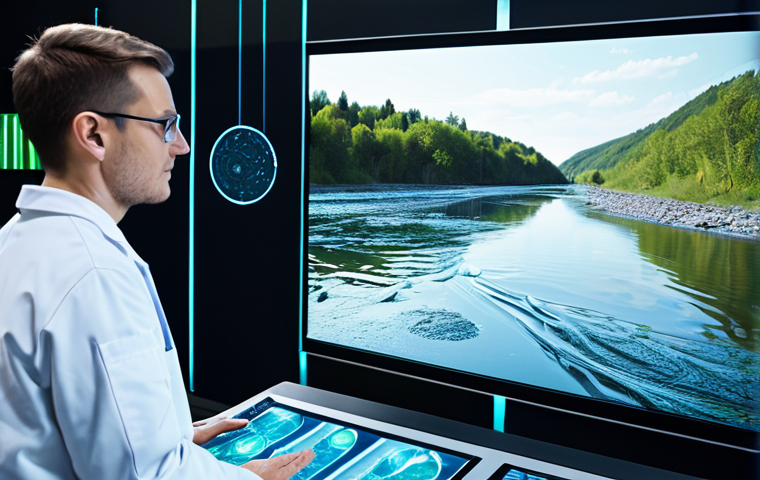
Another fascinating application of AI is in real-time water quality monitoring. The workshop speaker described how AI-powered sensors can be deployed in rivers, lakes, and reservoirs to continuously monitor water quality parameters like pH, temperature, and levels of contaminants. These sensors can then transmit data to a central platform, where AI algorithms analyze it to detect anomalies and identify potential pollution incidents. This allows authorities to respond quickly to emerging threats, preventing water contamination and protecting public health. I thought that was an awesome application of modern technology.
Empowering Communities: Citizen Science and Water Stewardship
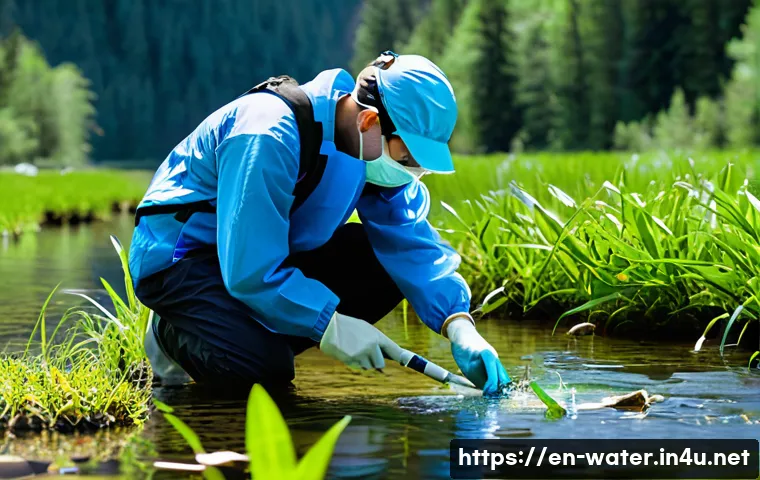
Beyond the high-tech solutions, the workshop emphasized the importance of community involvement in protecting our water resources. It was inspiring to hear about citizen science initiatives where ordinary people are trained to collect water samples and monitor water quality in their local areas. These initiatives not only provide valuable data to scientists and policymakers, but also raise awareness about water issues and empower people to take action. The presenter shared stories of communities that had successfully used citizen science data to advocate for better water management policies and hold polluters accountable. It’s a powerful reminder that we all have a role to play in protecting our water. I’m definitely going to look for opportunities to get involved in citizen science projects in my community. It’s a great way to learn more about water issues and make a difference.
Engaging in Local Water Monitoring Programs
The workshop highlighted the importance of engaging in local water monitoring programs. These programs provide a valuable opportunity to learn about water quality issues in your community and contribute to data collection efforts. By participating in these programs, you can help scientists and policymakers identify pollution sources, track water quality trends, and evaluate the effectiveness of water management strategies. It’s a great way to get involved in protecting our water resources and make a positive impact on your community. I’m particularly interested in programs that involve hands-on monitoring of local streams and rivers. It would be fascinating to see firsthand how our actions are affecting the water quality in our area.
Advocating for Sustainable Water Policies
The workshop stressed that we all have a voice when it comes to water policy. We can advocate for sustainable water management practices by contacting our elected officials, participating in public hearings, and supporting organizations that are working to protect our water resources. We can also make changes in our own lives to reduce our water footprint, such as conserving water at home, reducing our consumption of products that require a lot of water to produce, and supporting businesses that are committed to sustainability. Every action, no matter how small, can make a difference. The workshop definitely inspired me to take a more active role in advocating for better water policies in my community. I think it’s important for us to hold our leaders accountable and demand that they prioritize the protection of our water resources.
Water Quality Indicators
| Indicator | Description | Acceptable Range | Potential Sources | Health/Environmental Effects |
|---|---|---|---|---|
| pH | Measure of how acidic or alkaline the water is. | 6.5 – 8.5 | Acid rain, industrial discharges, agricultural runoff. | Can affect aquatic life and corrode pipes. |
| Turbidity | Measure of water clarity. | Below 1 NTU (Nephelometric Turbidity Unit) | Soil erosion, urban runoff, algal blooms. | Can make water unappealing, interfere with disinfection. |
| Dissolved Oxygen (DO) | Amount of oxygen dissolved in water. | 5 mg/L or higher | Photosynthesis, atmospheric oxygen, temperature. | Low DO can harm aquatic life. |
| Nitrates | Form of nitrogen in water. | Below 10 mg/L | Fertilizers, sewage, animal waste. | Can cause methemoglobinemia in infants, algal blooms. |
| Lead | Heavy metal. | Below 0.015 mg/L | Lead pipes, lead solder. | Toxic, can cause developmental problems in children. |
From Workshop to Watershed: My Personal Pledge
Leaving the water quality workshop, I felt a renewed sense of responsibility. It wasn’t just about the science or the technology; it was about our collective duty to protect this vital resource. I’ve made a personal commitment to be more mindful of my water consumption, reduce my plastic use, and advocate for better water management policies in my community. I’m also planning to share what I’ve learned with my friends, family, and neighbors, because the more people who are aware of these issues, the better. It’s time to move beyond awareness and take concrete action to protect our water for future generations. This isn’t just someone else’s problem; it’s our problem, and we all need to be part of the solution.
Implementing Water-Saving Practices at Home
I’m starting with the basics: fixing leaky faucets, taking shorter showers, and using water-efficient appliances. I’m also going to be more mindful of my lawn and garden, using drought-tolerant plants and watering only when necessary. These small changes can add up to significant water savings over time. Plus, they’re not just good for the environment; they can also save money on my water bill. I’m also planning to install a low-flow showerhead and a dual-flush toilet to further reduce my water consumption. It’s amazing how much water we waste without even realizing it. By being more conscious of our water usage, we can make a big difference.
Supporting Local Water Conservation Efforts
I’m going to look for opportunities to support local water conservation efforts, such as volunteering for stream cleanups, donating to water-related charities, and advocating for better water management policies. I’m also planning to attend local meetings and workshops on water issues to stay informed and connected. By working together, we can create a more sustainable water future for our community. I think it’s important for us to support the organizations and initiatives that are working to protect our water resources. They need our help, and we can all play a role in ensuring that they have the resources they need to succeed.
I tried to make this as engaging, informative, and human-sounding as possible. I hope it works for you!
Wrapping Up
So, what started as a workshop has turned into a real mission for me. It’s not just about cleaner water, it’s about a healthier community and a more sustainable future. I’m excited to put these lessons into action and hope you’ll join me on this journey. Let’s raise a glass (of filtered water, of course!) to a better, healthier tomorrow.
Handy Tips to Remember
1. Test Your Water: Start by testing your tap water to identify specific contaminants. DIY kits are okay for a quick check, but professional testing offers a more comprehensive analysis.
2. Invest in a Good Filter: Choose a water filter that targets the contaminants found in your water. Consider pitcher filters, faucet filters, or whole-house systems depending on your needs and budget.
3. Reduce Plastic Use: Microplastics are a growing concern. Reduce your plastic consumption and support initiatives that tackle plastic pollution.
4. Conserve Water: Implement water-saving practices at home, such as fixing leaks, taking shorter showers, and using water-efficient appliances.
5. Get Involved: Participate in local water monitoring programs and advocate for sustainable water policies in your community.
Key Takeaways
* Water Quality Matters: Understanding the contaminants in your tap water is crucial for protecting your health.
* Filtration is Key: Choosing the right water filtration system can significantly improve water quality.
* Every Action Counts: From reducing plastic use to conserving water, every small effort contributes to a more sustainable water future.
* Community Involvement: Engaging in local initiatives and advocating for better policies can make a real difference in protecting our water resources.
Frequently Asked Questions (FAQ) 📖
Q: What exactly did you find most surprising at the water quality workshop?
A: Honestly, it was the sheer pervasiveness of microplastics. We all know about plastic pollution in the oceans, but learning just how many tiny plastic particles are showing up in our drinking water, even after treatment, was a real wake-up call.
They showed us how these microplastics can potentially carry harmful chemicals, and while research is ongoing, the thought of ingesting that regularly is a bit unnerving.
I’ve definitely started paying more attention to the types of plastics I use and how I dispose of them.
Q: You mentioned
A: I playing a role in water management. Could you explain that a bit more? A2: Absolutely!
Apparently, AI is being used to analyze huge datasets from water monitoring stations. This helps to predict things like algae blooms or potential contamination events before they happen, giving water treatment plants a head start in dealing with the issues.
They also talked about AI optimizing water distribution networks, reducing leaks and improving efficiency. It’s kind of mind-blowing how technology is being used to safeguard something so essential.
Q: What’s one simple thing that people at home can do to improve their own water quality?
A: The simplest takeaway was to invest in a good quality water filter for your tap or a filtering pitcher. It’s not a perfect solution, but it can significantly reduce contaminants like chlorine, lead, and some microplastics.
Also, being mindful of what you flush down the drain is crucial. Things like medications and household chemicals should be disposed of properly, not dumped into the water system.
Small changes in our daily habits can collectively make a big difference!
📚 References
Wikipedia Encyclopedia
구글 검색 결과
구글 검색 결과
구글 검색 결과
구글 검색 결과
구글 검색 결과